Last updated November 21, 2026
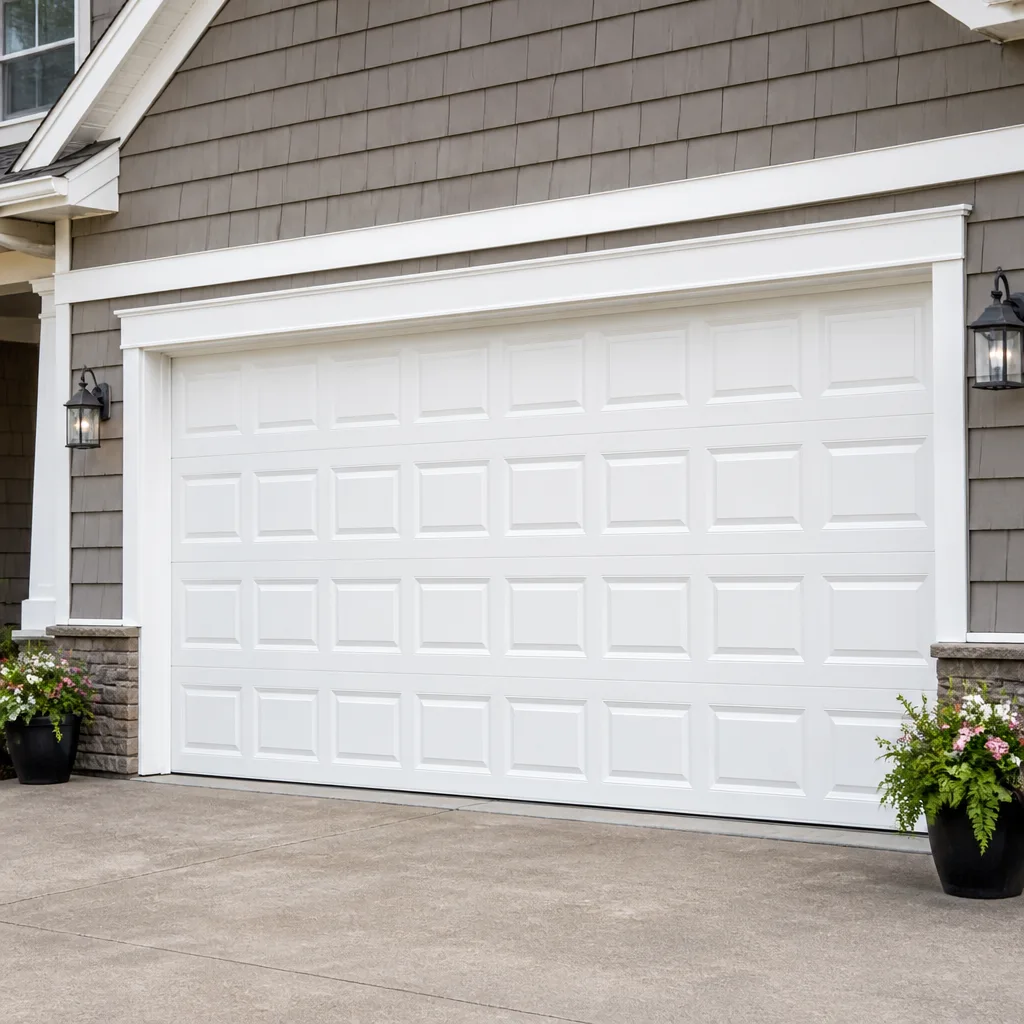 Raised-panel steel
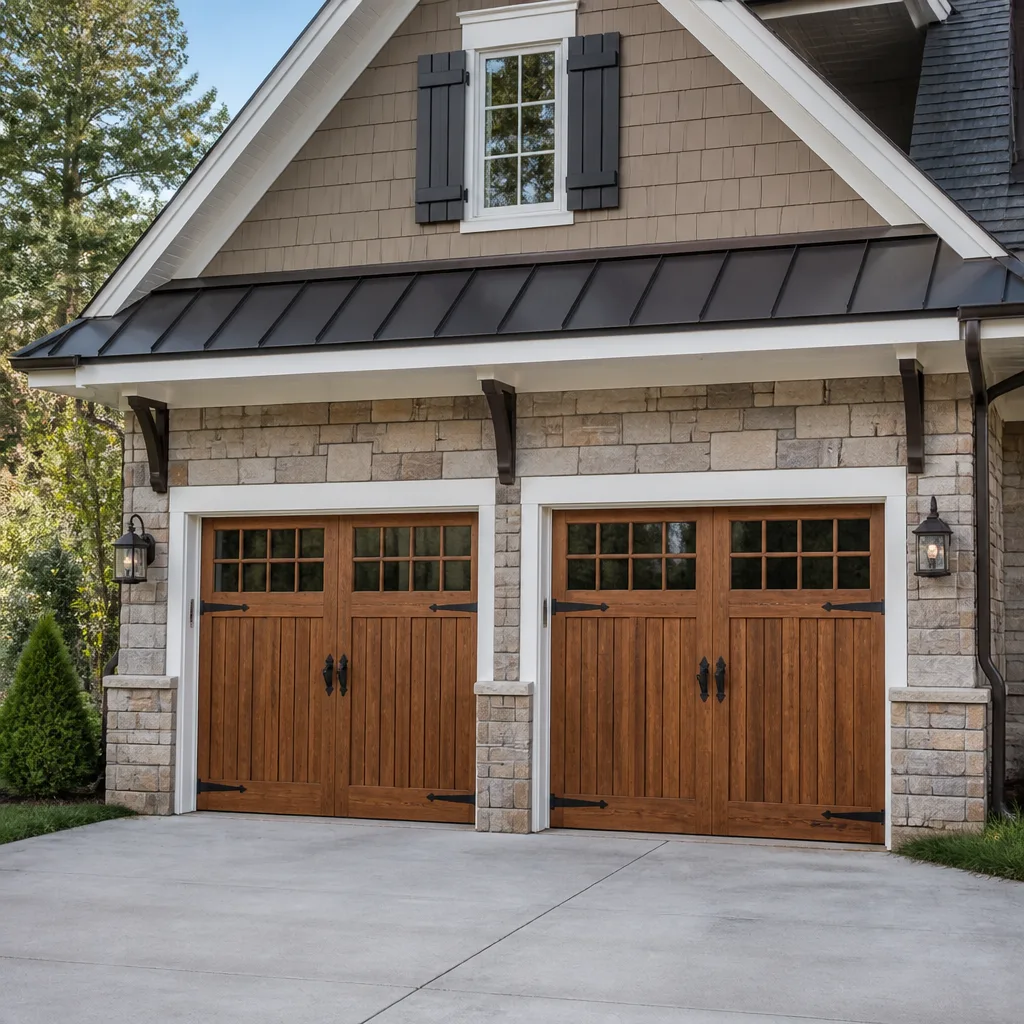 Carriage house
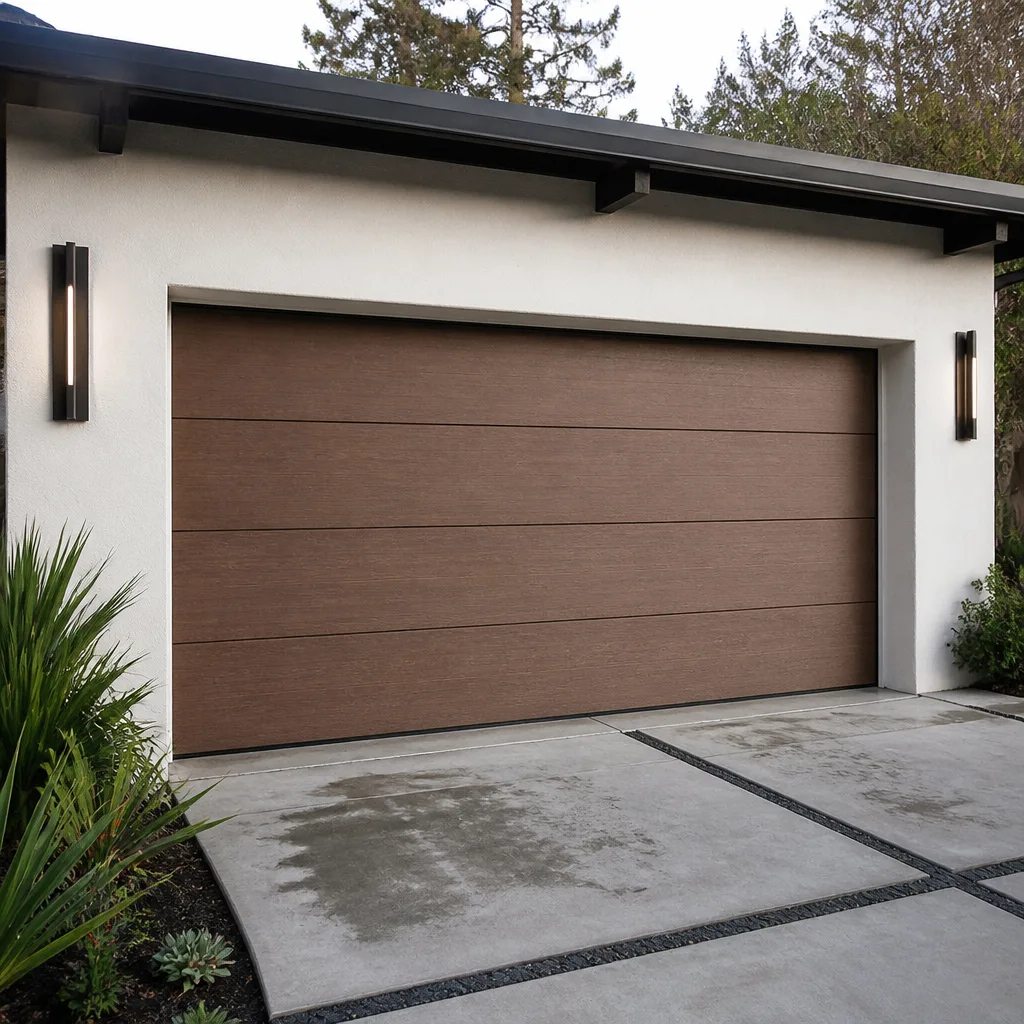 Modern flush
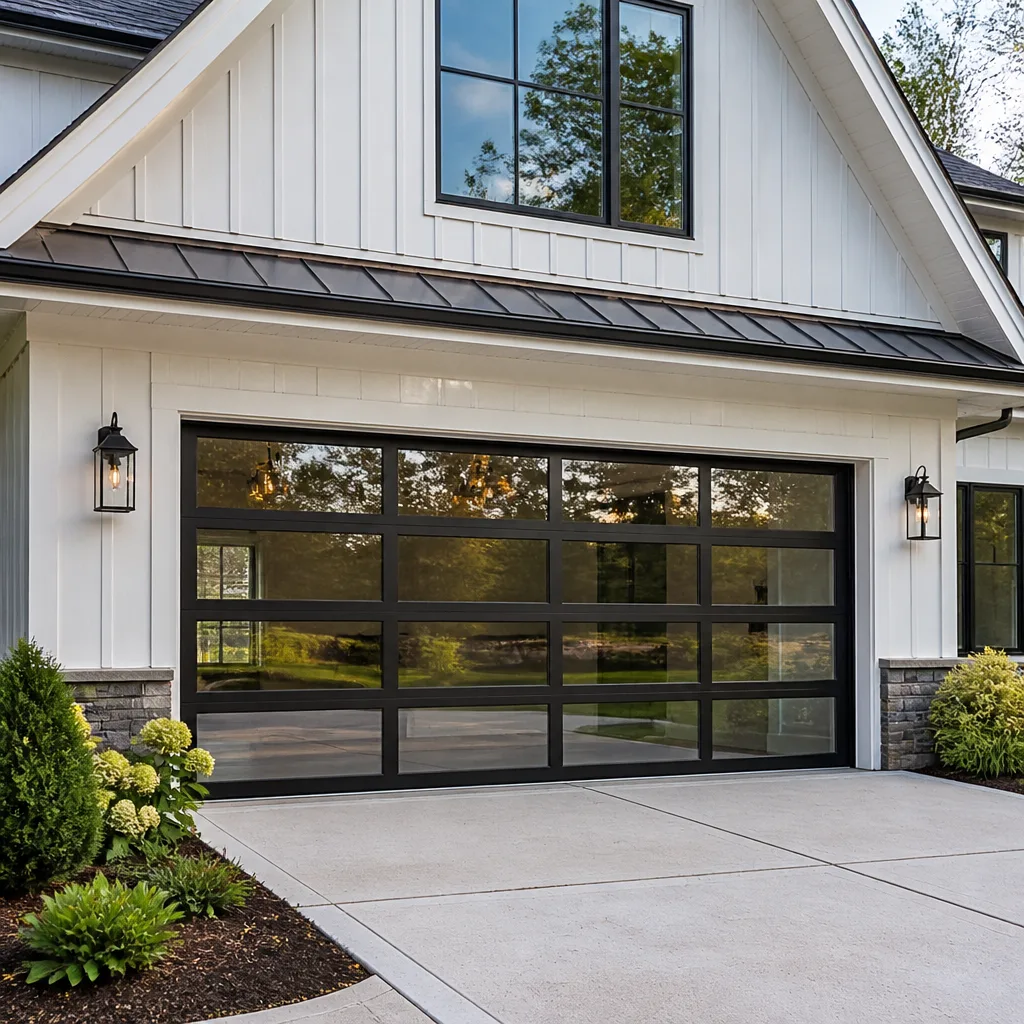 Full-view glass
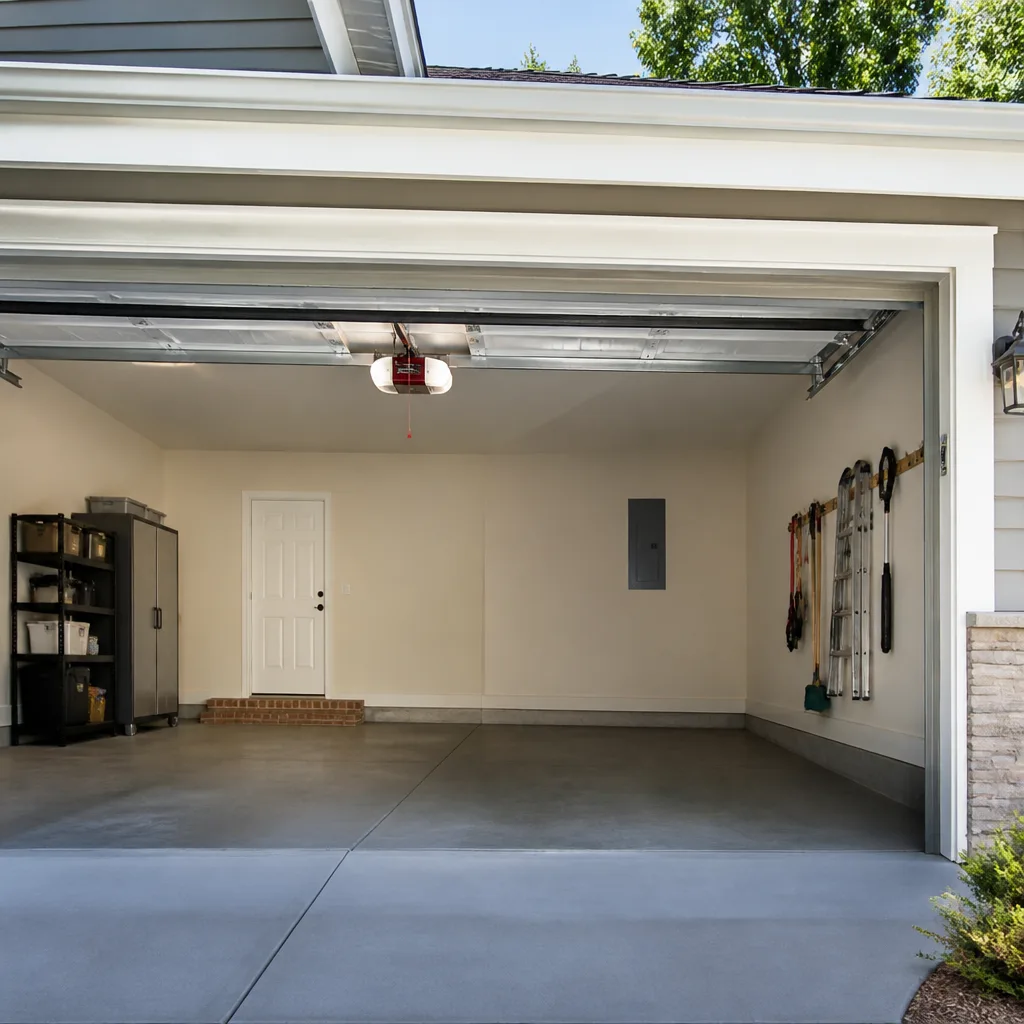 LiftMaster openers
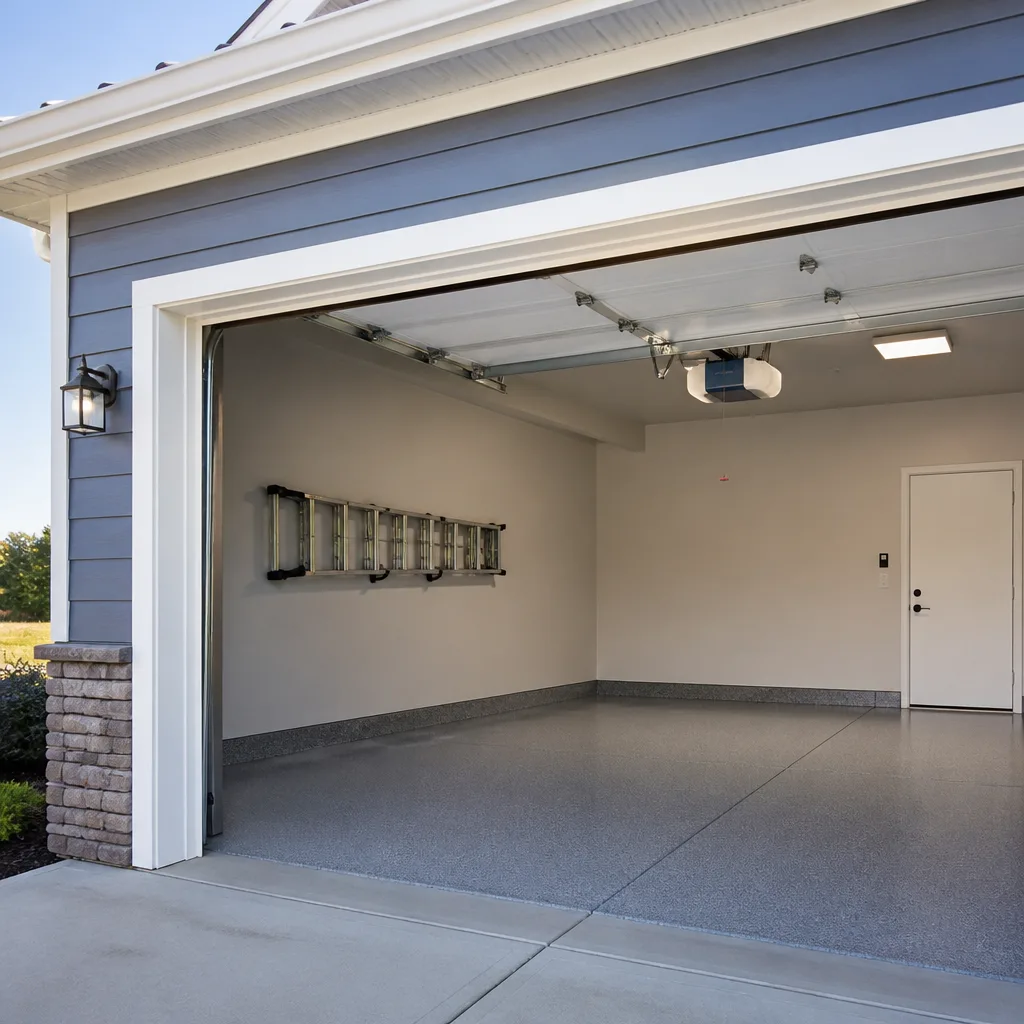 Chamberlain openers
Full 25-point door and opener safety check with every visit - springs, cables, rollers, tracks, and your LiftMaster or Chamberlain opener included
You get a price before we start. It does not change when the pro arrives.
Get your free estimateDIY vs Professional Garage Door: The Palm Bay Homeowner’s Decision Guide
Most homeowners think the DIY-versus-professional question is about skill. It isn’t. It’s about physics. A torsion spring under tension stores enough energy to cause a fatality when it releases, and no tutorial on a screen changes that calculation. That’s not a liability disclaimer we’re required to write; it’s the reason spring work sits in a category of its own. But here’s the flip side that gets buried under all the caution: plenty of garage door tasks are genuinely safe for a careful homeowner with the right tools. This guide draws that line precisely, task by task, so you spend money only where it actually buys you something. Palm Bay homeowners deserve a straight answer on both ends.
Quick Answer
Some garage door work is safe to do yourself: lubricating tracks and rollers, testing the safety reverse, wiping down and aligning photo-eye sensors, replacing a wall-mounted keypad battery, and clearing debris. Some work requires skill and judgment but is manageable for a handy homeowner: adjusting travel limits on an opener, basic track alignment, and minor weather-seal replacement. Spring replacement, cable work, and anything involving the torsion assembly are never DIY, regardless of experience. If your door won’t move or a spring has visibly snapped, that’s a professional call. In Palm Bay, where the humid subtropical climate ages hardware and tracks faster than in drier zones, a professional assessment often catches a problem before it turns into a dangerous one.
Styles & brands we work with
- Raised-panel steel
- Carriage house
- Modern flush
- Full-view glass
- LiftMaster openers
- Chamberlain openers
Table of Contents
- Where the DIY Line Actually Is
- The Task-by-Task Breakdown
- Why Springs Are a Safety Issue, Not a Convenience Issue
- The Tools Spring Work Requires (and Why You Probably Don’t Own Them)
- DIY Opener Programming and the Warranty Question
- Florida Building Code and Self-Installed Doors
- The Honest Cost Comparison
- What Palm Bay’s Climate Does to Your Garage Door
Where the DIY Line Actually Is
The internet gives homeowners two extremes. One camp says everyone should call a professional for anything, and the other says a confident pair of hands can do it all. Neither is useful. The real line has to do with stored energy and consequence of failure. If a task goes wrong, is the result a scratched door panel, or is it a broken wrist? That question sorts garage door work into three tiers fairly cleanly.
Here’s the general principle: energy is what sets the risk. A door that weighs a couple hundred pounds balanced on a spring system that stores force is a machine, and the machine has to be de-energized before you touch anything that moves. Many tasks on the door’s exterior, like cleaning weather stripping, pose no hazard at all. Tasks that touch the door’s movement or counterbalance system do.
The garage door opener is its own separate system, which is why Palm Bay Garage Door Repair Pros handles both the door and the operator worth noting. A garage door mechanic and an opener technician are sometimes different trades. On a Palm Bay service call, we combine them so the diagnosis reflects how the two actually interact (which is often the source of the problem).
It’s also worth knowing that a “DIY-safe” label isn’t permanent. A task that’s safe on a well-maintained door can get risky on a door whose spring was already weakened, whose track was already bent, or whose opener was already strained. When in doubt, an inspection is cheaper than a mistake. If you’re unsure how to categorize your own situation, a quick call can settle it. The number is (833) 468-5770.
The rest of this guide walks through each category in detail. Read it as a map, not a set of instructions. The tasks we place in the “safe” column come with enough general advice to get you started. The tasks in the “never” column come with an explanation of why, not a how-to.
The Task-by-Task Breakdown
Here’s the cleanest way to sort garage door work. We’ve separated it into three tiers based on risk to your body, risk to the door, and whether the task requires specialized tooling you probably don’t have.
Tier 1: Safe for DIY
- Lubricating tracks, rollers, and hinges. A good garage door lubricant on the moving joints every few months keeps the door quieter and slows wear. Avoid spraying the tracks themselves – they need to stay clean and dry, not greasy.
- Testing the safety reverse. Place a piece of wood flat on the ground in the door’s path and press the close button. The door should reverse on contact. If it doesn’t, the opener needs attention soon.
- Aligning and cleaning photo-eye sensors. A sensor knocked askew by a bicycle, a lawn mower, or a stray basketball is a common cause of a door that won’t close. Straightening the sensors and wiping the lenses is straightforward.
- Replacing batteries in wall-mounted keypads and remote controls.
- Clearing debris from the door’s path and the photo-eye line of sight.
- Wiping down weather stripping and panels.
Tier 2: Manageable With Skill and Patience
- Adjusting opener travel limits so the door opens fully without slamming. This is a programming adjustment, not a physical one, but it requires care: an over-travel adjustment can cause the door to fail to reverse on obstruction.
- Replacing a bottom weather seal on the door edge, when the door is fully closed and the opener is disconnected.
- Replacing a hinge or roller on a door section that’s fully supported and immobilized.
- Minor track alignment when the track is only slightly bent and the door isn’t under load.
Tier 3: Never DIY
- Any torsion spring replacement.
- Any extension spring replacement.
- Cable replacement or re-tensioning.
- Replacing a drum or bearing plate.
- Full track replacement.
- Full door installation or replacement.
- Replacing a garage door opener when the door is unbalanced. If the door itself is the problem, a new opener will simply fail in the same way.
Notice that the “never DIY” list is short and the “manageable” list is specific. This isn’t a scare tactic. It’s how we actually see the work at Palm Bay Garage Door Repair Pros, call after call. We’d rather you fix the sensor yourself in five minutes than pay for a service call. And we’d rather you call us before you try a spring job – not after.
Why Springs Are a Safety Issue, Not a Convenience Issue
A torsion spring under tension is holding energy. When a torsion spring snaps, that energy is released all at once. We’ve seen what happens next: the spring or cable recoils with enough force to break bones or worse. That’s not a hazard warning invented by the garage door industry. It’s how the physics works. And no amount of careful reading, no camera angle, and no borrowed tool changes the calculation.
Here’s what that means for a Palm Bay homeowner:
- If a spring has snapped visibly, do not attempt to raise the door yourself. The door’s full weight is unsupported. Call a professional. This is an emergency service situation, not a weekend project.
- If a cable has snapped and is hanging free, do not touch it. The door is unsupported on one side, and moving the door will cause further damage and could cause injury.
- If a torsion tube is bent, do not try to disassemble the hardware. A bent tube under load is unstable.
- If the door feels unusually heavy or drops when you lift it, stop. Something in the counterbalance system has failed or is failing, and the door needs a professional inspection before it’s used again.
Torsion springs and extension springs are both safety-critical. Extension springs run more of a risk of a sudden release and are often the ones that find their way into a DIY tutorial, because they look simpler. That simplicity is illusory. Trained technicians use specialized winding bars, have the physical clearance to work safely, and know how to release tension before they begin.
Palm Bay’s humidity adds a wrinkle. Springs sit in a warm, humid garage for years, and it’s not unusual for a spring to lose tension quietly long before it fails visibly. That’s why spring inspection is on our standard checklist for any Palm Bay door service. Springs are a safety issue, not just a convenience issue, and we treat them that way. If you want more detail on how the repair itself works, our garage door spring repair page walks through what’s involved.
The Tools Spring Work Requires (and Why You Probably Don’t Own Them)
The most common DIY accident we hear about (from homeowners, not customers) involves spring work done with improvised tooling. A screwdriver to hold a winding cone. A pair of pliers to grab a cable. A pipe from the hardware store in place of a winding bar. Each of these will technically rotate a spring, but each also creates a release the technician can’t control. The tooling exists for a reason.
Safe spring work requires these specific items:
- Winding bars of the correct diameter and length for the spring size. Buying the wrong size is worse than not having one at all.
- A proper spring-winding technique that releases stored energy incrementally, controlling the direction of force rather than chasing it.
- A sturdy ladder positioned to leave two hands free and the body balanced – not a step stool brought in from the kitchen.
- Clamps and door locks to immobilize the door while the spring is off.
- Safety glasses that survive a direct hit, plus gloves that leave finger dexterity intact.
- The right spring, matched to the door’s weight and size. Spring weight rating isn’t guessable. It’s measured.
- A calibrated sense of when to stop.
Look at that list. How many items do you own? Most homeowners have #5 and maybe #3, but not #1, and #2 isn’t purchasable. That’s the honest reason we tell Palm Bay homeowners not to attempt spring work, even ones who own a full workshop: the tooling isn’t in the box, and the cost of getting it right is lower than the cost of getting it wrong. And if a spring job does go wrong, the resulting repair often costs more than the original job would have.
We’ve also seen this in the field: the door looks fine after a botched spring job, until the motor runs 20% harder, the door sags on one side, and the opener fails. Then the customer is paying for two repairs plus a door rebalance. Our garage door repair team handles the rebalance either way, but it’s a longer conversation than a straight spring replacement.
DIY Opener Programming and the Warranty Question
Programming a new opener and aligning photo-eye sensors are legitimate DIY tasks – most people can do them in an afternoon with the manual. But there’s a warranty wrinkle worth knowing about, especially with newer units from LiftMaster and Chamberlain. Several opener manufacturers’ warranties contain language about professional installation, and some serial-number-registered warranties are void if the unit was wired or installed by anyone other than a licensed technician. The exact language varies by model and manufacturer, so check the warranty card that came with your unit if you’re unsure.
What this means in practice:
- Programming a remote or keypad is virtually always fine to do yourself. This is a user function, not a service function.
- Re-pairing a wall control or updating firmware via the manufacturer’s app is generally a user function too.
- Adjusting travel limits is a gray area: usually permitted, but if you get it wrong and the unit fails, the manufacturer may argue the failure falls outside warranty.
- Full installation or replacement of the opener motor unit is where warranty language most often appears. If the unit is new and under warranty, hiring a trained technician is the safer route – not just for the warranty, but because alignment, force calibration, and spring interaction all influence opener performance.
Palm Bay Garage Door Repair Pros is qualified to work on LiftMaster and Chamberlain units, along with Genie and Raynor. We know the warranty language, and we can tell you whether the task you’re considering falls inside the covered zone. That single call often saves the cost of a service visit, because it prevents an unnecessary one.
If your opener is behaving oddly – stopping halfway, reversing unexpectedly, or ignoring the remote – the issue may not be the opener at all. It may be the door balance. A DIY “opener repair” that doesn’t address the door system will fail again within weeks. Our garage door opener repair page goes into what to check. One call covers the door and the opener, which is the only way to get an accurate diagnosis.
Florida Building Code and Self-Installed Doors
Here’s a point that surprises a lot of homeowners: the permit requirement on a replacement garage door doesn’t depend on who installs it. If you pull the door yourself, you’re still likely on the hook for a permit in most Florida jurisdictions. The permit process is about the door’s structural attachment, wind-load rating, and safety features – not about the installer’s credentials.
What typically triggers a permit need in Palm Bay:
- Replacing a full door and any part of its framing.
- Changing the door size.
- Any door change that requires a change to the structural header.
- Replacing the door on any structure that’s been altered from its original build.
- Door replacements on properties in areas with specific wind-load requirements.
For the exact rules that apply to your address, contact the City of Palm Bay building department. Don’t rely on a neighbor’s experience or an online forum. The building department is the only authority that can confirm what your address requires, and the rules vary by location within the county. Florida’s wind-loading standards exist for real reasons – a garage door attached to a wind-rated opening has to hold up under conditions that are rare but not hypothetical.
What this means for the DIY-versus-professional question: installing a door yourself may save the labor cost, but it doesn’t save the permit. Many homeowners discover mid-project that they’re on the hook for inspections that require a listed installer, and the labor they were trying to save becomes extra cost plus delay. The insurance angle is worth thinking about too. If your door isn’t permitted and documented properly, a future claim incident may be more complicated than if the work was permitted at the time.
Palm Bay Garage Door Repair Pros installs doors from Clopay, Amarr, and Wayne Dalton, and we walk customers through the permit expectations for their specific address. We’d rather you understand the process before you buy than after. Full replacement services live on our Palm Bay Garage Door Repair Pros main page if you want the broader scope.
The Honest Cost Comparison
Let’s put actual numbers around this, because “DIY is cheaper” isn’t automatically true. The up-front cost of a professional job isn’t the only number. What matters is the all-in cost.
The cost of a DIY attempt has four components:
- Materials. Springs, cables, and prep items run about the same whether you buy them yourself or a professional supplies them. The savings on this line are usually modest.
- Tool acquisition. For a one-time job, buying the correct winding bars, clamps, and safety gear can easily cost more than the professional labor. If that tooling is used once and stored in the garage, it’s not a savings – it’s a rental you paid retail for.
- Time investment. Research, trips to the hardware store, the actual install, and possibly a re-do total far more hours than a homeowner typically estimates.
- Cost of correcting a failed attempt. This is the number most homeowners don’t budget for, and it swings both ways: sometimes a small DIY correction is cheap, sometimes it doubles the cost of the original repair.
The professional side of the equation has its own numbers. Typical estimates for common garage door work in Palm Bay:
- Spring replacement (one spring): $180-$340, typically estimated per spring. A matched pair is usually replaced together, so a pair costs roughly double that – the written estimate you get will spell out exactly which springs are being replaced.
- Opener repair or replacement: Varies by unit and complexity. A written estimate is where the conversation becomes useful.
- Door installation: Measured and quoted in advance. This isn’t a same-day service, and we’d rather tell you that up front than promise otherwise.
- Emergency service: Available for doors that won’t move, with the same upfront pricing process – the price is quoted and agreed before any work starts.
Add in the cost of time and the correction factor. Two hours of research, plus the install, plus the correction of a job that went sideways, adds up to real hours that don’t show on a receipt. For the tasks we’ve placed in Tier 1, DIY is often the right call. For Tier 3, the math nearly always tips toward a professional, and not just on price: it also tips toward safety. What we won’t do is pretend a professional call is cheap. We’ll tell you honestly what we think you should do, and if fixing it yourself is the better answer for your door in Palm Bay, we’ll tell you that too. If it’s a repair worth looking at, call (833) 468-5770 – estimates are free.
What Palm Bay’s Climate Does to Your Garage Door
Palm Bay’s warm, humid weather is hard on garage door hardware in specific ways. Wood frames swell and shrink. Metal hardware oxidizes gradually, especially near floor level where moisture sits. Lubricant degrades faster than it does in dry climates. Every moving part on the door ages slightly earlier than it would in a drier place.
What that means for the DIY-versus-professional decision:
- Lubrication matters more. In Palm Bay, the Tier 1 tasks (lubrication, sensor cleaning, seal checks) actually buy you more years of service than they would elsewhere.
- Spring inspection deserves more attention. Humidity-driven tension loss can happen long before a spring snaps visibly. A spring that suddenly feels “heavy” or unresponsive is a call for professional inspection, not DIY.
- Weather seals wear faster. Bottom seals and side weather stripping degrade quickly in the humidity. This is genuinely DIY territory if you’re comfortable doing it, and routine professional work otherwise.
- Track alignment goes out of square. Wood swelling and door hardware aging can cause a track to drift out of alignment. Minor adjustments are manageable; major realignment isn’t.
For Palm Bay specifically, we tend to see weather-related wear at the door’s bottom edge first: seals split, and the bottom panel starts to take on water. Replacing a seal is straightforward DIY when the door is closed and immobilized. Diagnosing a door that’s failing to close because of a swollen seal is more of a judgment call, and it’s the kind of thing that gets more expensive if it’s put off.
We’ve also noticed that Palm Bay garage doors are often outside the “regular maintenance” routine that dealers recommend. An annual inspection catches a lot of what we’d rather not see as an emergency. If your door hasn’t been looked at in a while and Palm Bay’s humidity makes you a little curious about its condition, that’s a reasonable call to make. The scope is usually small, and the conversation is free.
Common Mistakes to Avoid
- Trying a spring job with improvised tooling. A screwdriver in place of a winding bar is the most common serious DIY safety mistake we hear about. That screwdriver will slip. It’s not a matter of will; it’s a matter of how much force it takes before it does.
- Assuming “new opener” fixes everything. When a door is unbalanced, a new opener fails in the same way as the old. Diagnose the door before you buy a motor.
- Running the door on a visibly bent track. Every cycle on a bent track puts flex on the panel attachment points. The door will crack at the hinges eventually, and the repair will be bigger than the track would have been. This is a common Palm Bay issue because the track is often visible from the driveway, and homeowners see a slight kink, shrug at it, and keep using the opener.
- Skipping the permit process on a self-install. The permit doesn’t depend on who installs. Call the city building department before you buy, not after.
- Programming a new opener to an out-of-balance door. The opener will run hot, work harder, and could fail before its time. If the door feels heavy or drops, that’s the wrong time to install a new unit.
- Patching a seal problem with tape or foam. In Florida humidity, temporary weather stripping becomes a mold problem. Replace it properly or have it replaced. Our garage door repair page covers this kind of fix.
- Ignoring a garage door that won’t reverse. This is the single most important safety test in the garage. If a billiard ball won’t stop it, a child won’t either.
See the difference
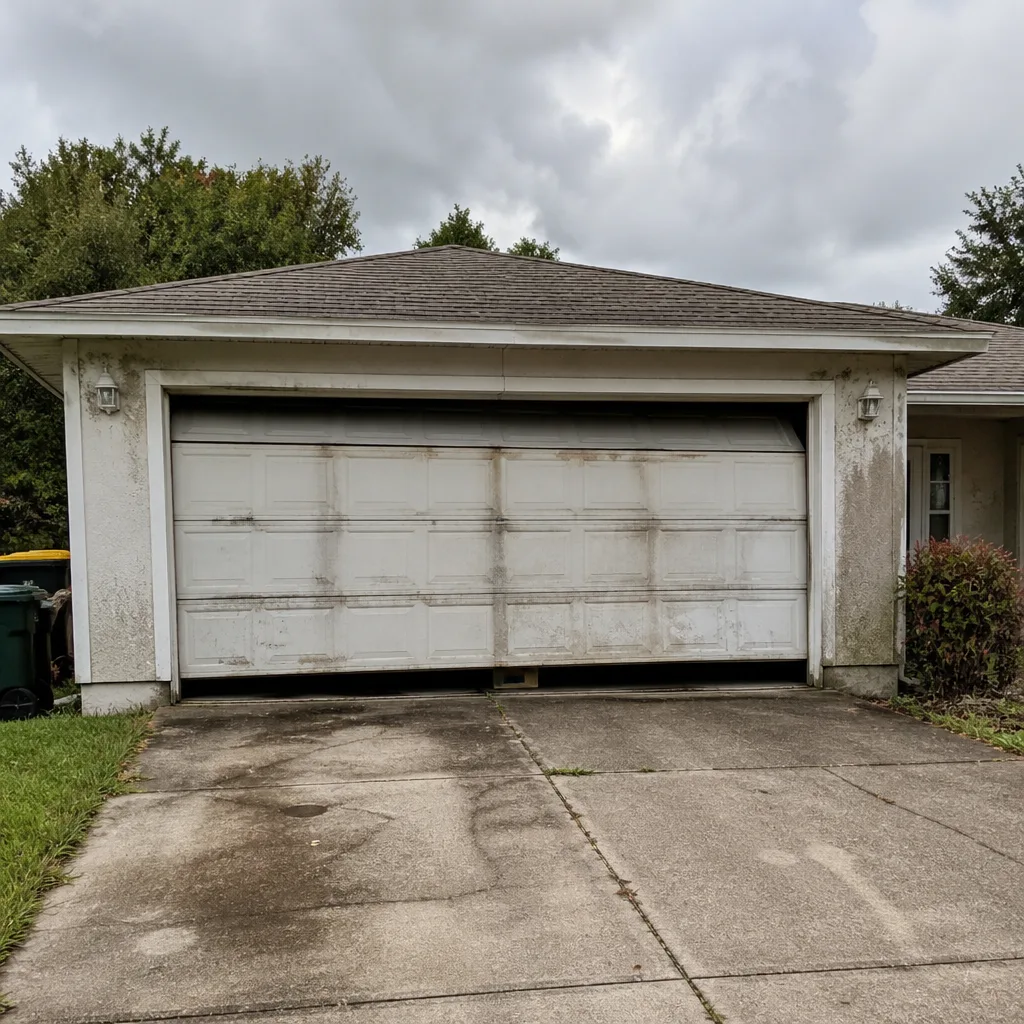 Before
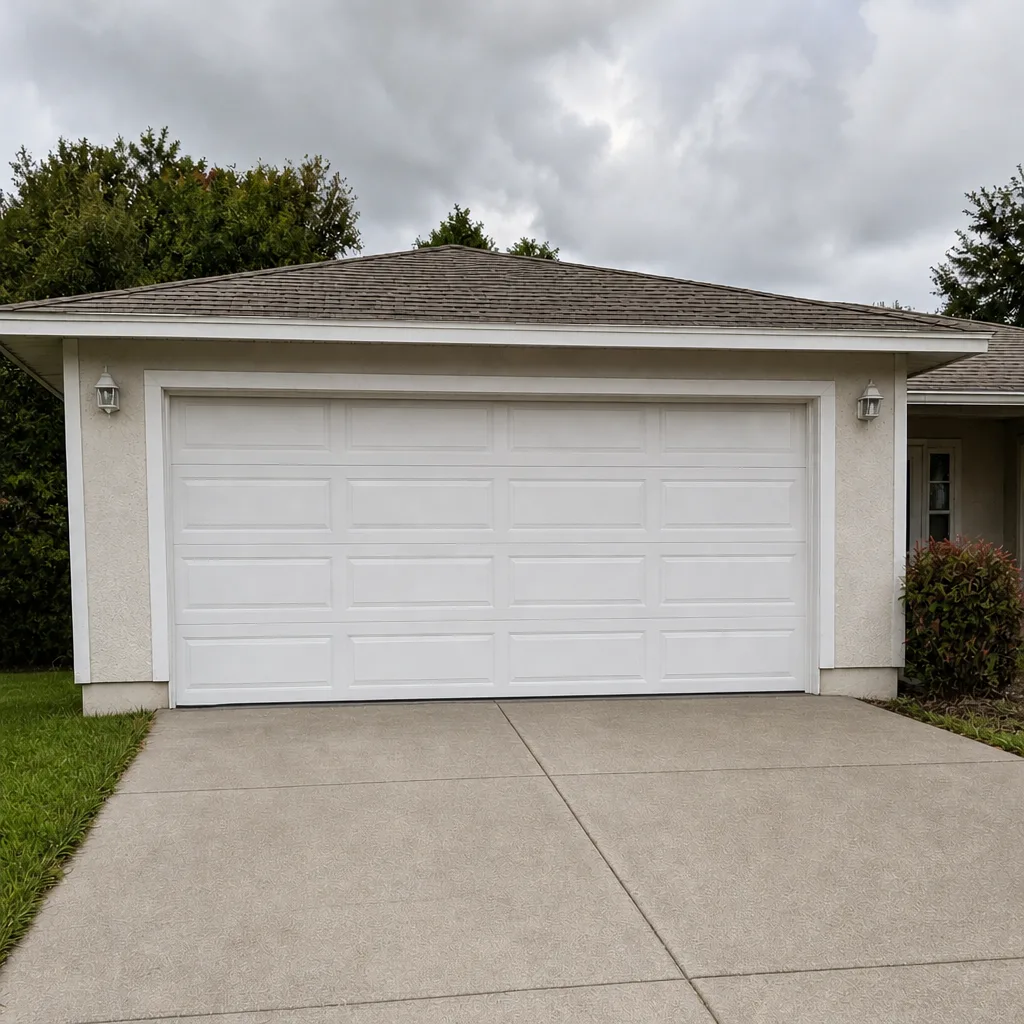 After
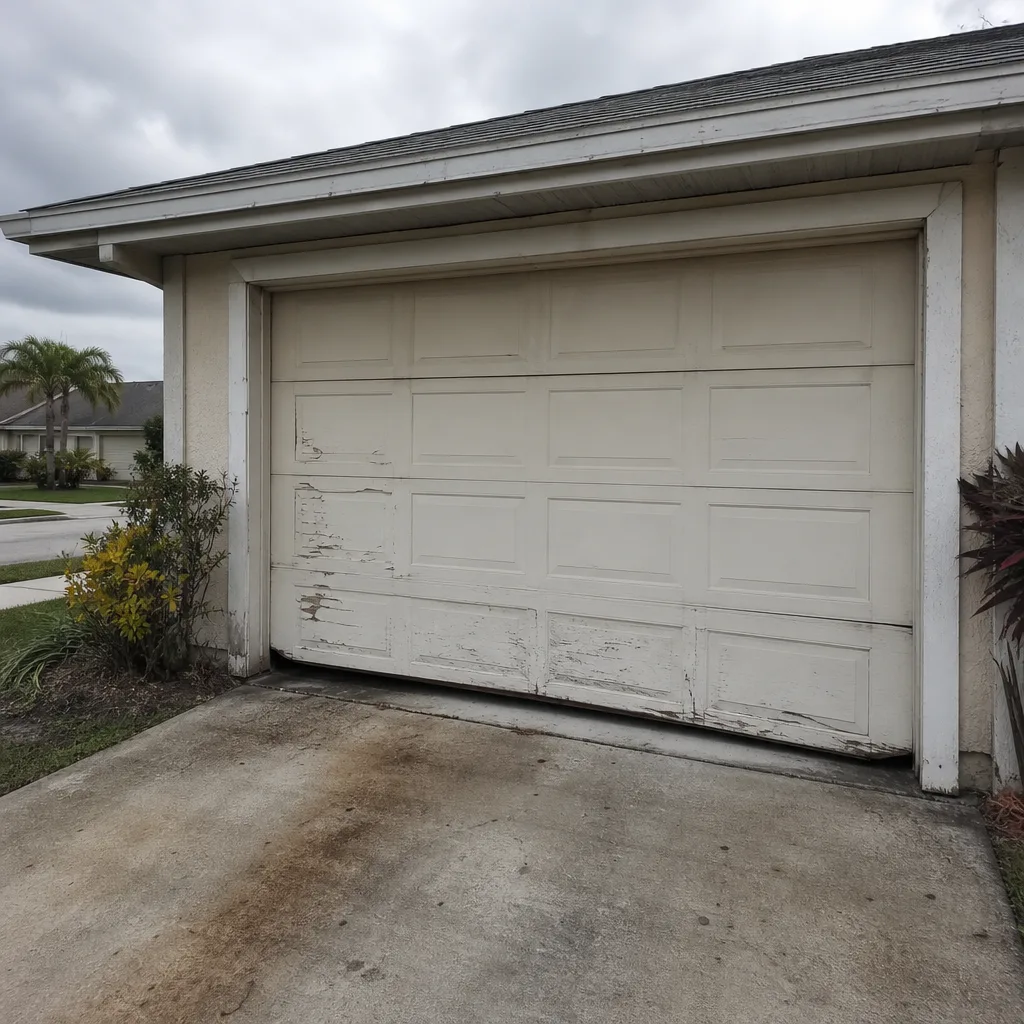 Before
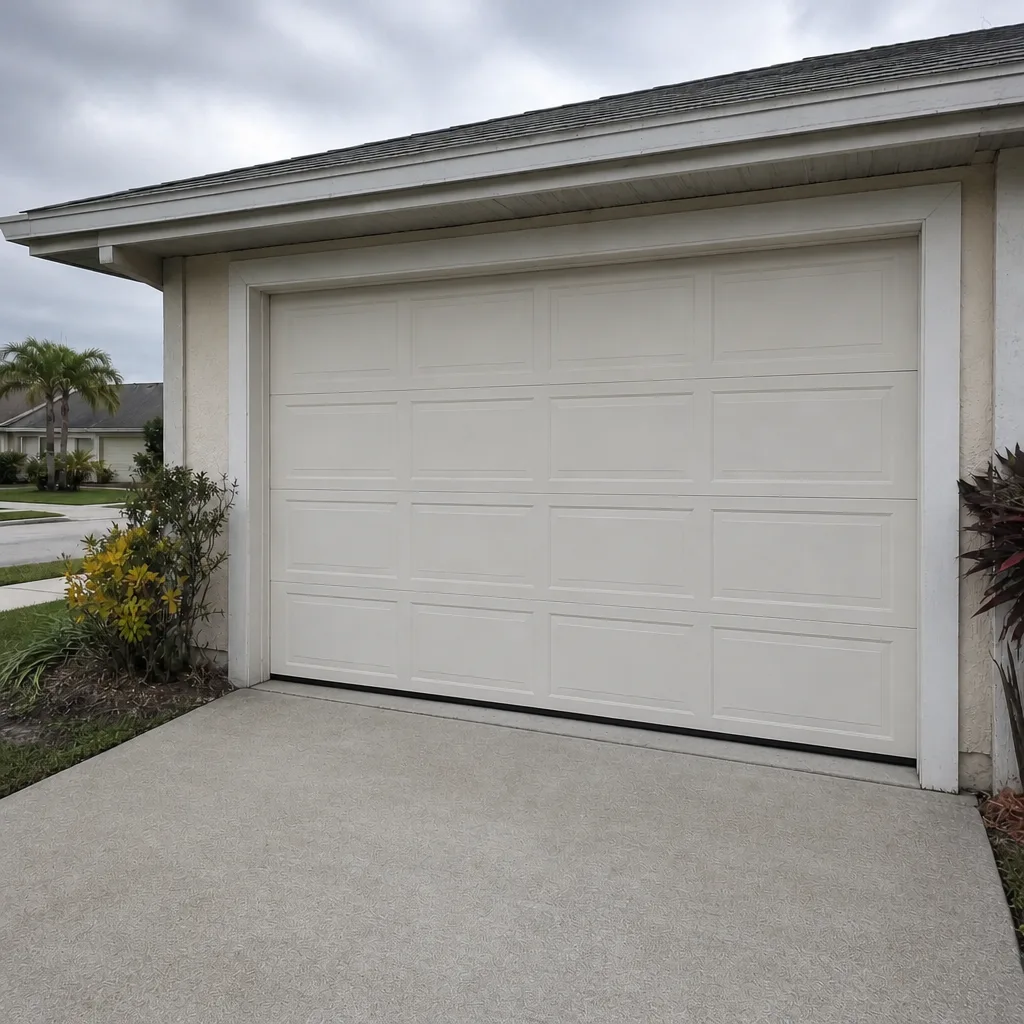 After
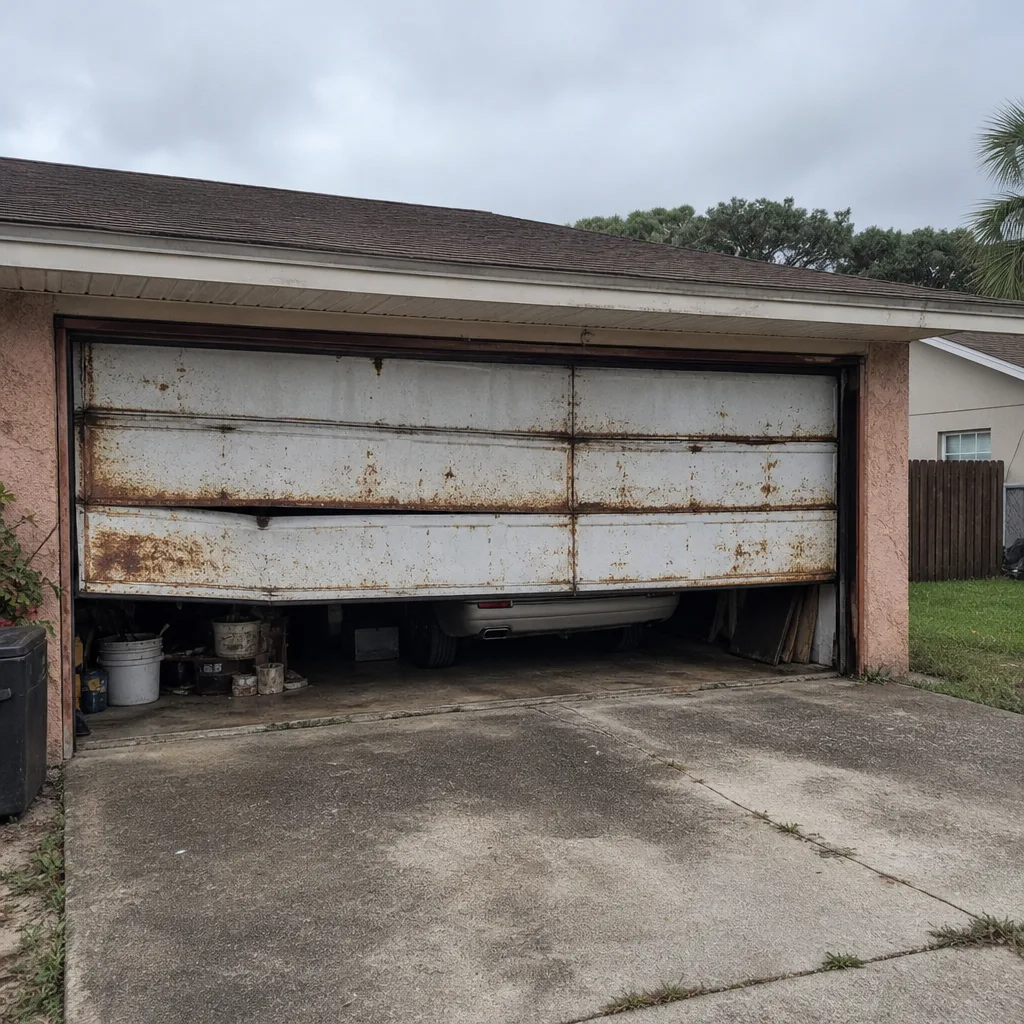 Before
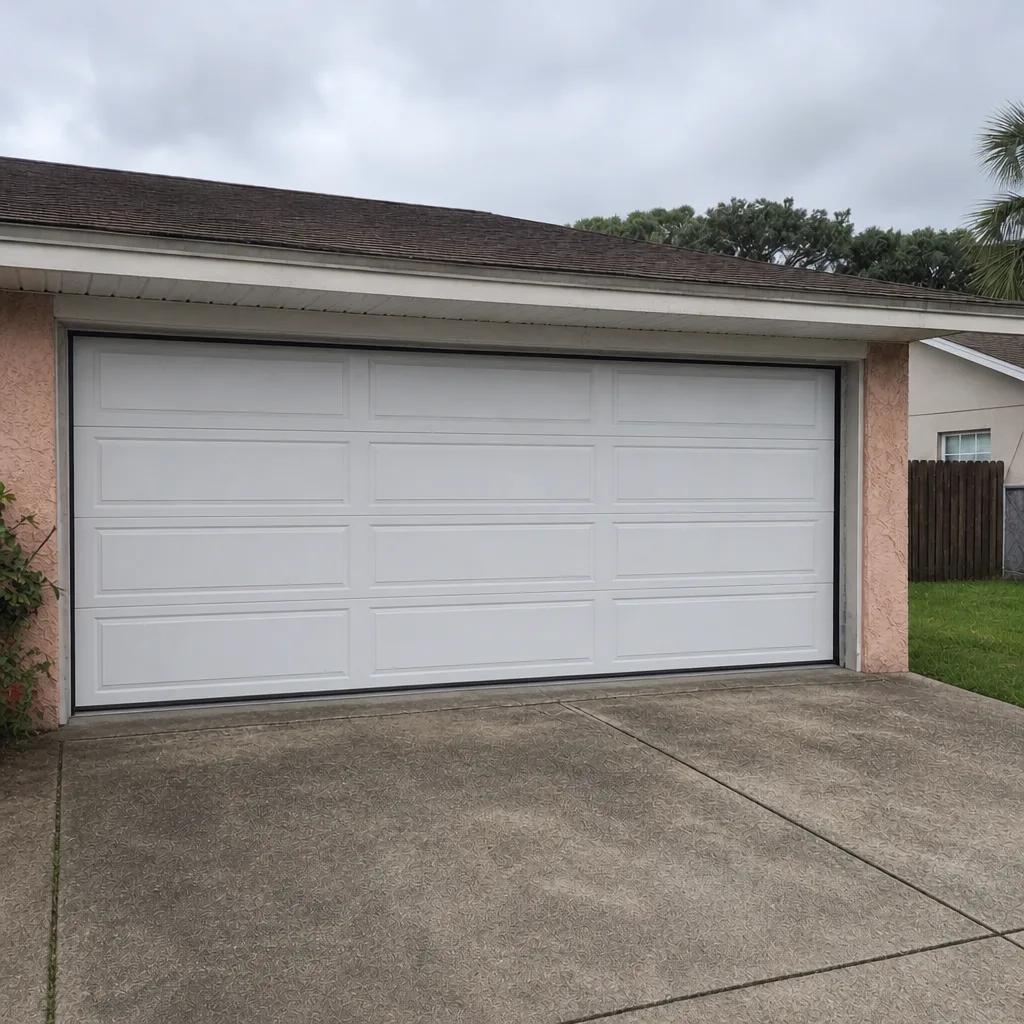 After
When to Call a Professional
There are specific scenarios where calling a professional isn’t a preference – it’s the right call. Call Palm Bay Garage Door Repair Pros right away if:
- A spring has snapped visibly, or the door won’t lift.
- A cable has snapped or is hanging free.
- The door has fallen partially or fully off its track.
- The opener has failed with the door in the down position and the door is the only exit.
- The door feels substantially heavier than normal, drops when lifted, or moves unevenly.
- There’s any doubt about the door’s safety reverse feature.
- You’re installing a new door, and you want the permit, structural attachment, and warranty handled correctly from the start.
Emergency garage door service is available for the situations above. We treat that availability as a real commitment, not a marketing phrase. Palm Bay Garage Door Repair Pros offers free estimates in Palm Bay – call (833) 468-5770.
Frequently Asked Questions
No, not safely. A torsion spring under tension stores enough energy to cause serious injury or death if it releases, and the specialized winding bars and release technique this work requires aren’t tools a homeowner typically owns. Improvising with a screwdriver or a pipe is the single most common cause of spring-related injury we hear about. This is one of the clear “never DIY” tasks, regardless of experience. Call (833) 468-5770 for an exact quote – estimates are free.
It isn’t recommended. A full door install involves a weighted door, torsion springs, and a structural attachment that usually requires a permit in Palm Bay. The permit process runs independently of who installs, so the DIY savings is offset by the inspection requirements and potential delays. Palm Bay Garage Door Repair Pros offers full installation, and we walk through what your address requires before you buy. Call (833) 468-5770 to schedule a free measure and written price.
Usually not – programming a remote, keypad, or wall control is treated as a user function by most manufacturers. Full installation of a new opener motor is the gray area, especially on some LiftMaster and Chamberlain models. Check the warranty card that came with your unit, or ask us. Palm Bay Garage Door Repair Pros is trained on eight major brands including LiftMaster, Chamberlain, Genie, and Raynor. Call (833) 468-5770.
Lubricating tracks and rollers, aligning photo-eye sensors, clearing debris from the door’s path, replacing keypad batteries, and wiping down weather stripping are safe. Adjusting opener travel limits and replacing a bottom weather seal are manageable if you’re comfortable and the door is fully closed and disconnected. spring work, cable work, and any opener install on an unbalanced door are not. Call (833) 468-5770 if you’re unsure which side your task falls on.
Typical estimates for one spring replacement run $180-$340, with the written estimate confirming the exact scope. Matched pairs are usually replaced together, and a pair costs roughly twice that. The written estimate sets the final price, and the price is quoted and agreed before any work begins. Call (833) 468-5770 for an exact quote – estimates are free.
We’re open Sunday through Friday, 7am to 7pm, and closed on Saturday. If your door fails on a Saturday and the situation is urgent, call and we’ll book the service for Sunday.
The Bottom Line
The DIY-versus-professional question isn’t about whether you’re handy. It’s about knowing which tasks have a physical risk ceiling high enough that amateur work goes from “risk of a mistake” to “risk of injury.” Springs, cables, and full installations sit above that line, no matter how experienced you are. Lubrication, sensor alignment, and weather-seal cleaning sit well below it, and doing them yourself is a good use of your time. In Palm Bay’s humidity, routine checks genuinely extend a door’s life, and recognizing a spring problem early is worth a phone call. Palm Bay Garage Door Repair Pros is here when you need us: one call covers the door and the opener, and we’ll tell you honestly whether a repair or a replacement is the better answer for your situation.
Written by the team at Palm Bay Garage Door Repair Pros.