Last updated November 21, 2026
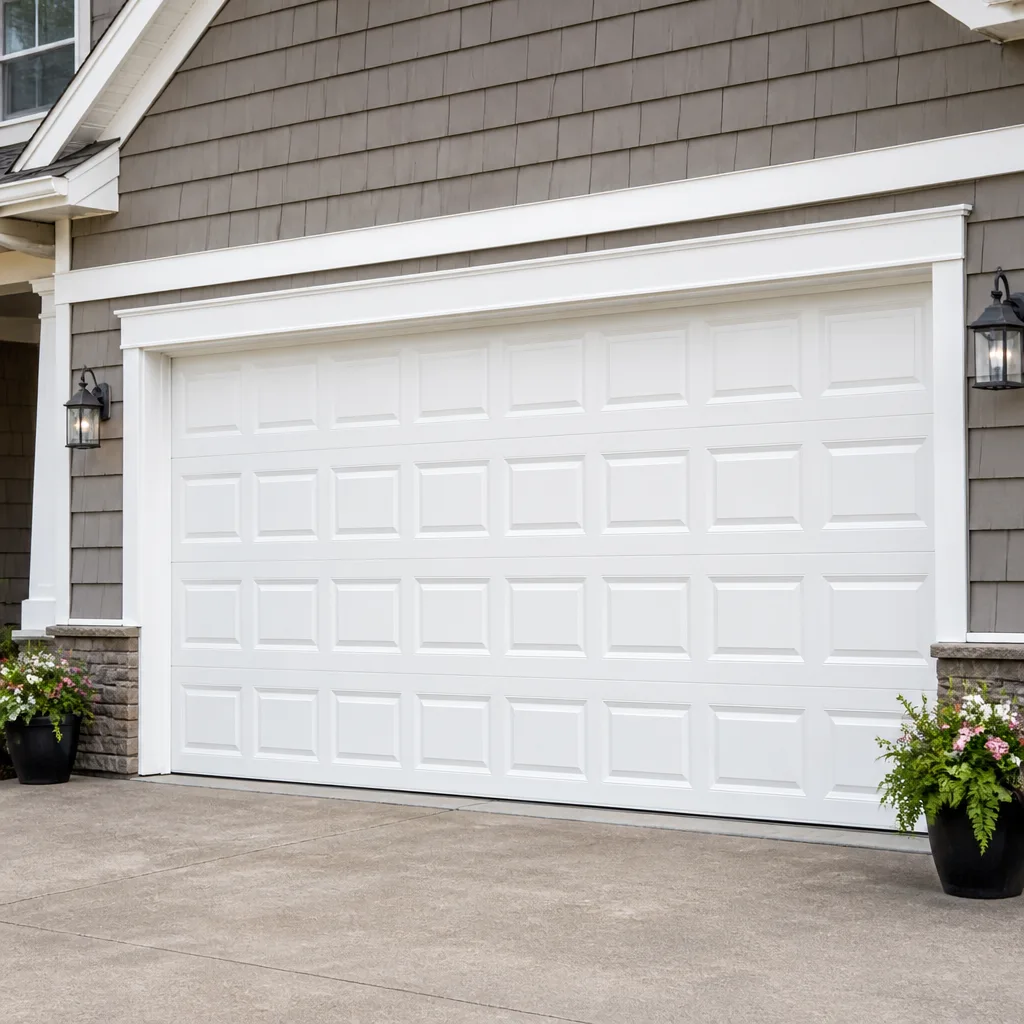 Raised-panel steel
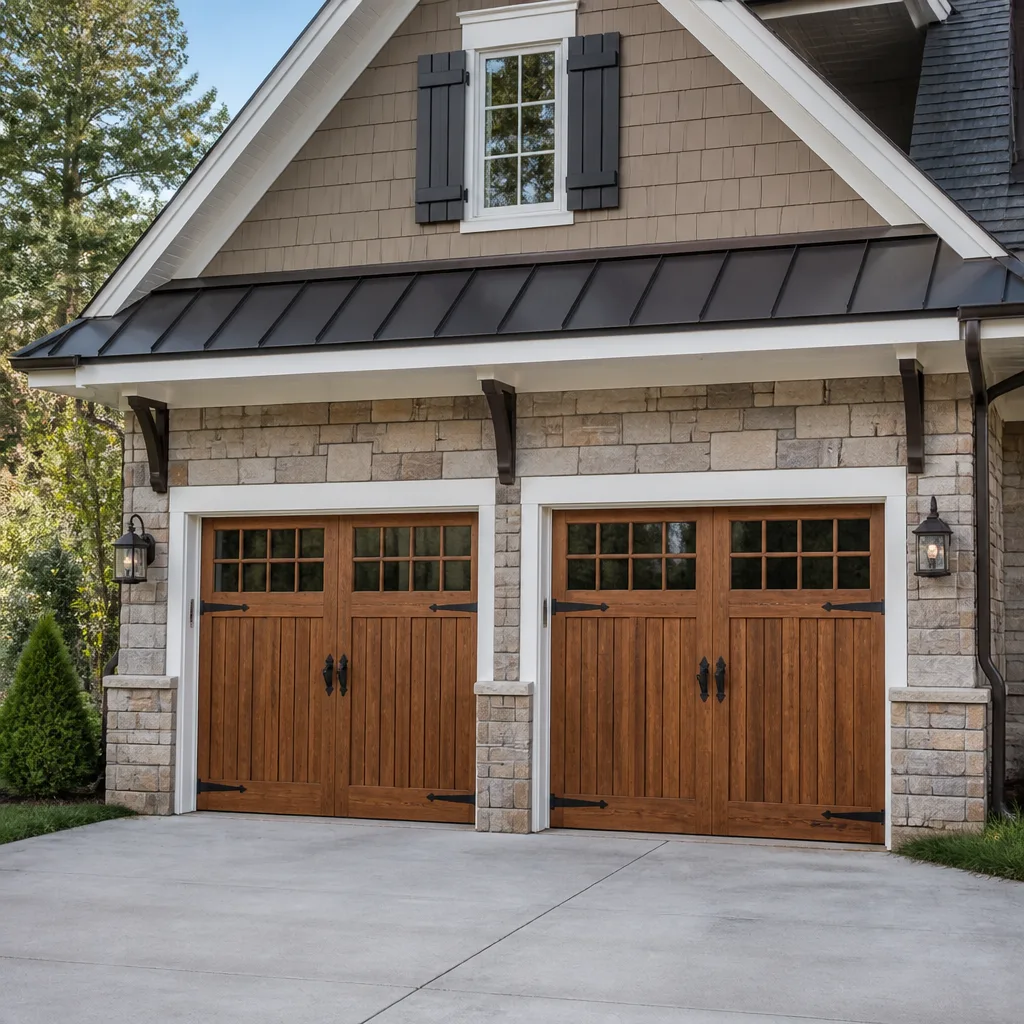 Carriage house
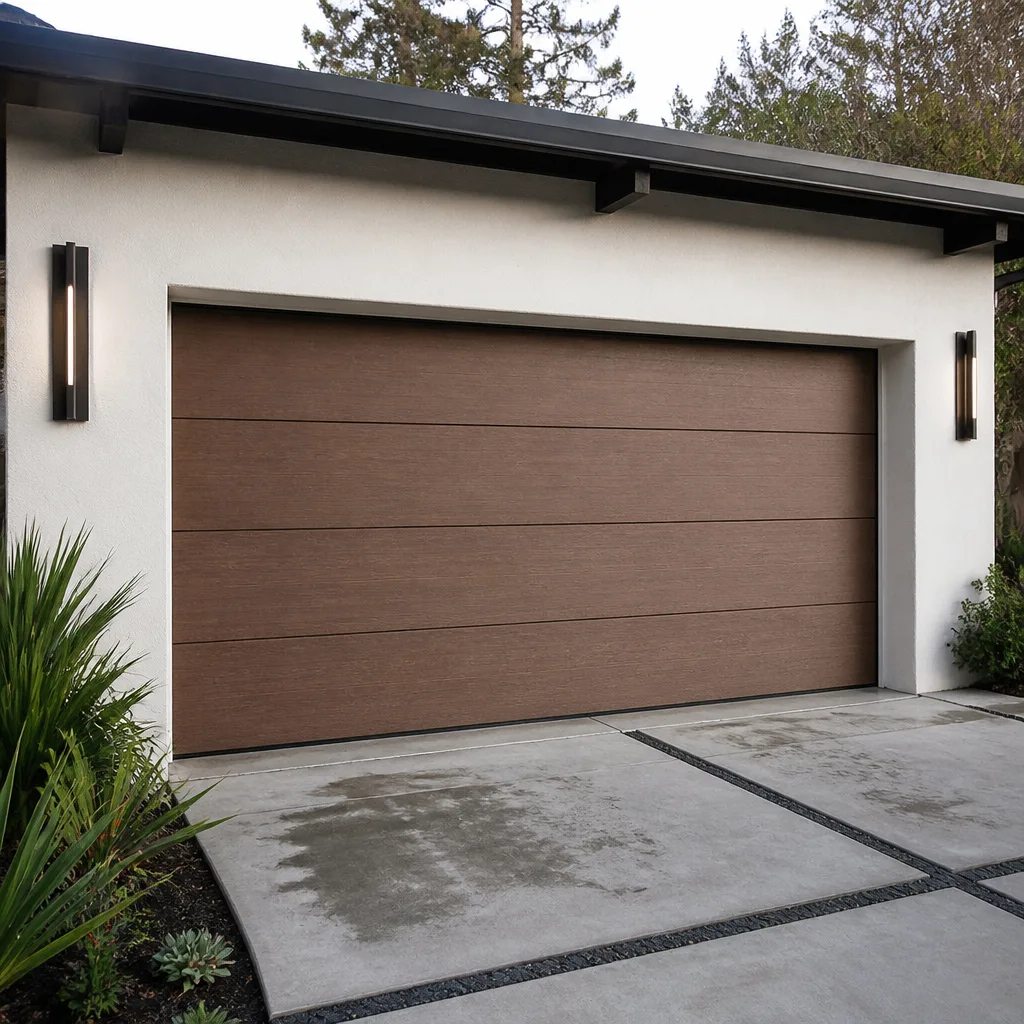 Modern flush
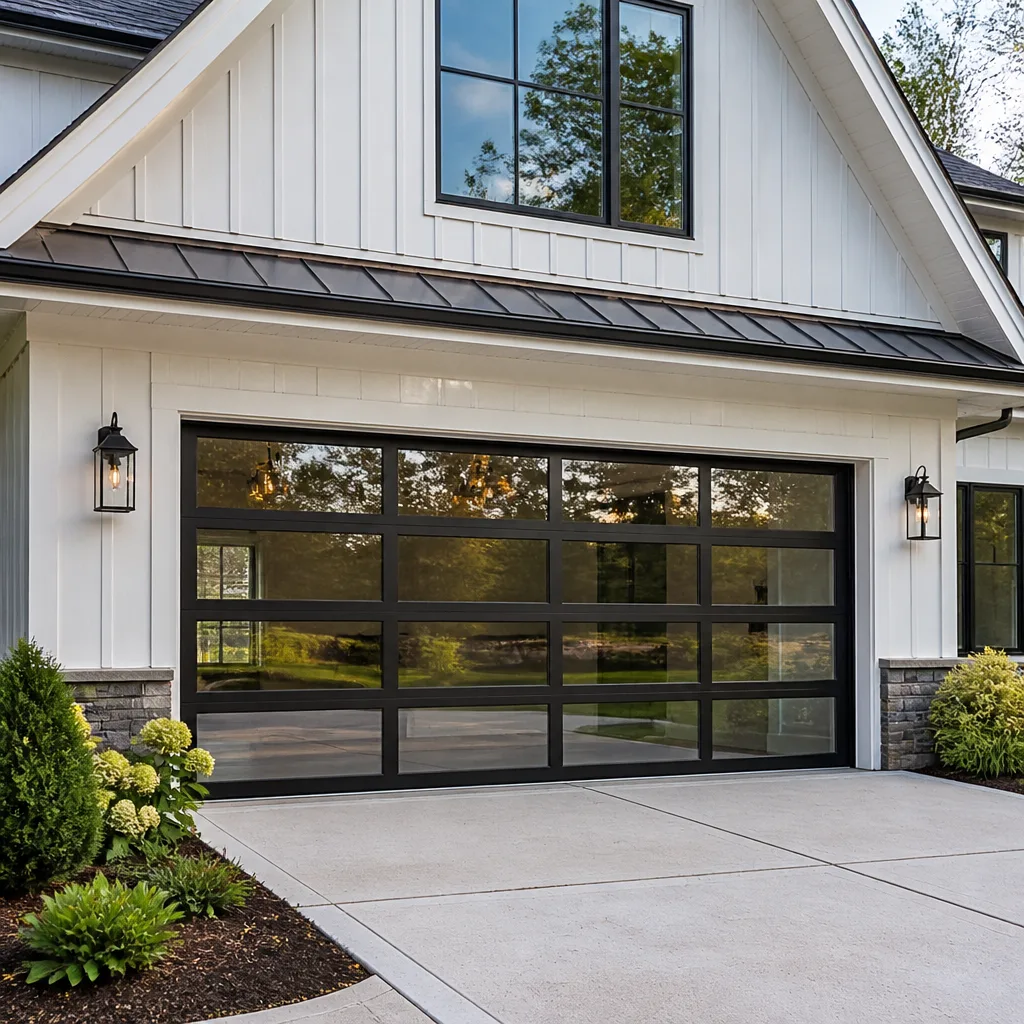 Full-view glass
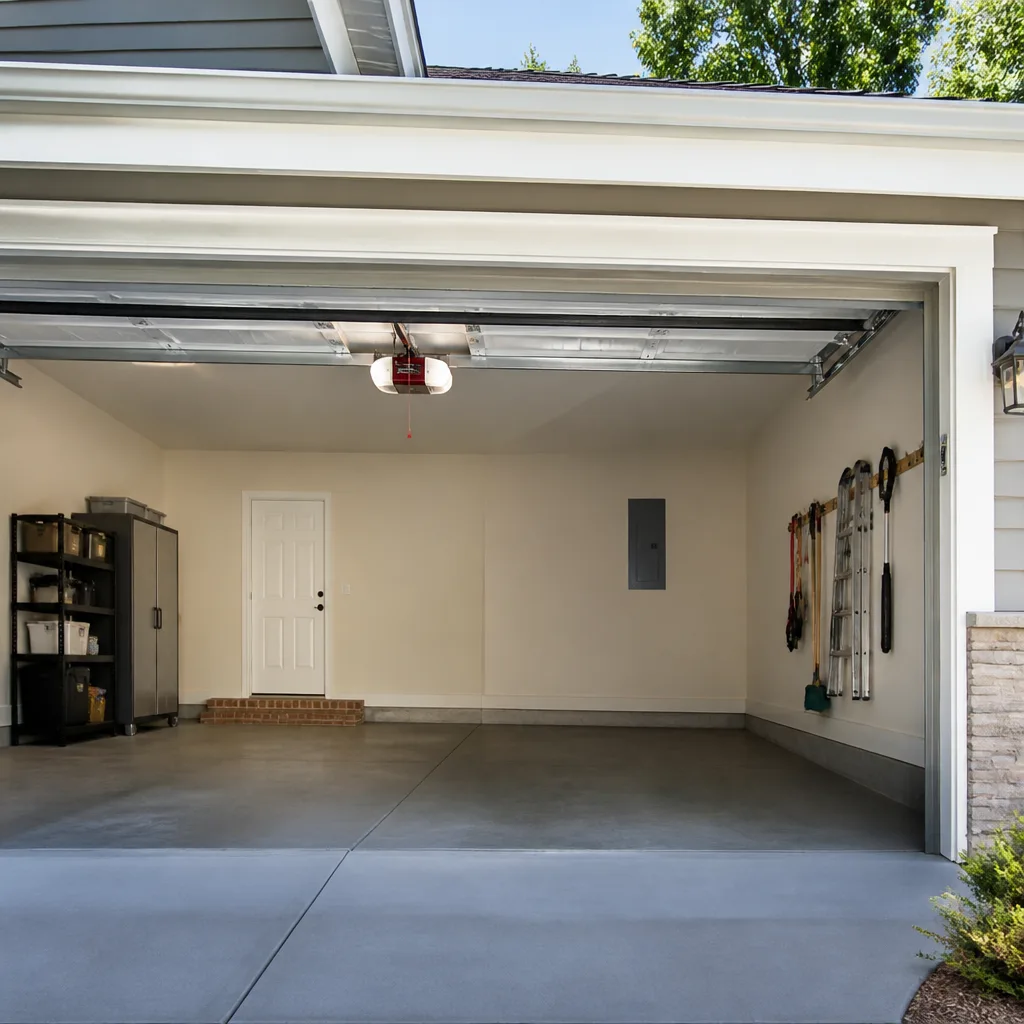 LiftMaster openers
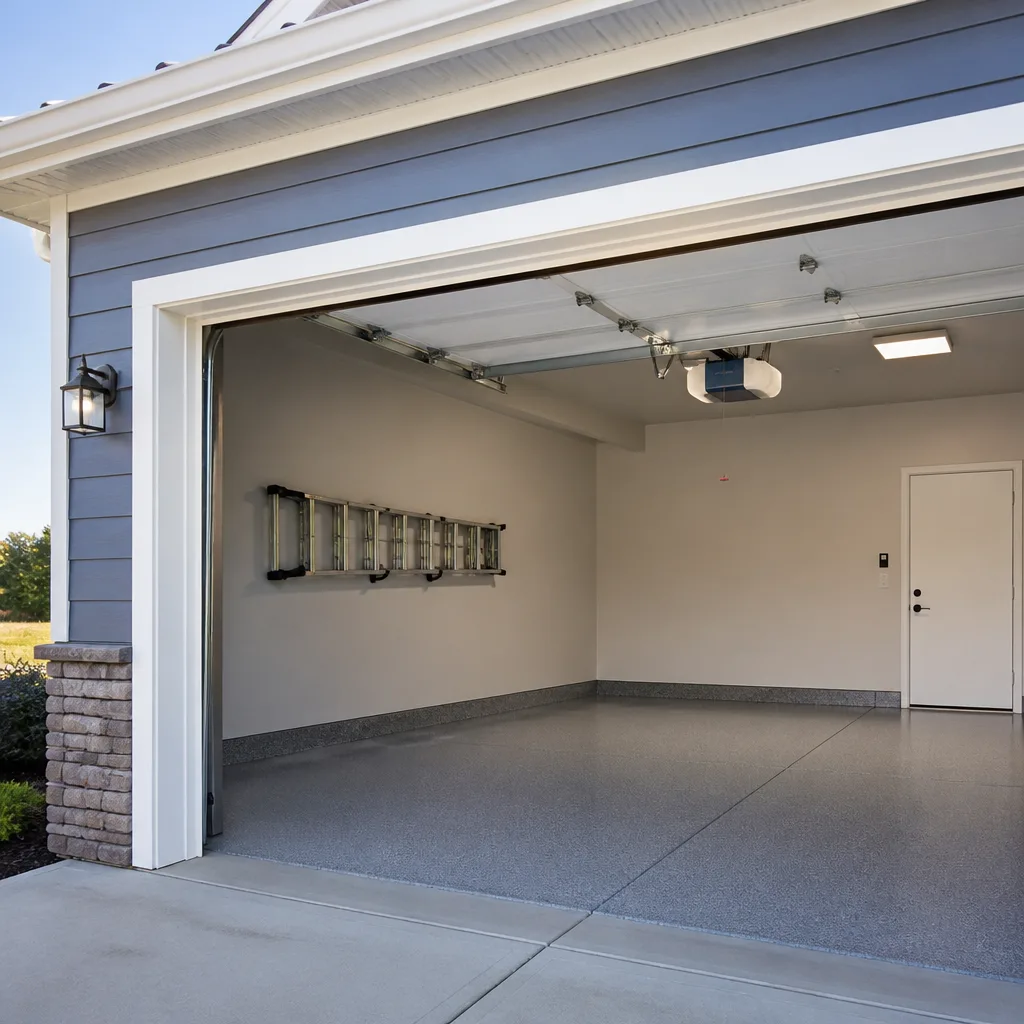 Chamberlain openers
Full 25-point door and opener safety check with every visit - springs, cables, rollers, tracks, and your LiftMaster or Chamberlain opener included
You get a price before we start. It does not change when the pro arrives.
Get your free estimateGarage Door Permits, Codes & Inspections in Palm Bay, FL: What You Need to Know
Most homeowners assume a new garage door is a simple swap: order the door, bolt it on, done. In Palm Bay, that assumption is where trouble starts. A garage door is a structural, wind-load-rated component of your house under the Florida Building Code, and in Brevard County replacing one usually means pulling a permit and passing an inspection. The contractor who skips that step can be long gone by the time a buyer’s inspector or a lender’s underwriter asks for the paperwork. This guide walks through exactly when a garage door permit requirements Palm Bay FL homeowners face apply, what the inspection covers, how to fix an unpermitted install after the fact, and where the real liability sits if a door fails. We handle garage door work across Palm Bay every week, and this is the part of the job nobody explains until it’s a problem.
Quick Answer
In Palm Bay and the rest of Brevard County, replacing a garage door or changing its structural framing, springs, tracks, or hardware generally requires a building permit and a passed inspection under the Florida Building Code, including Section 1609 wind-load compliance. Swapping only an opener or doing minor like-for-like repairs usually does not require a permit. When in doubt, confirm with the City of Palm Bay building department before work starts, because the permit and the inspection are what keep the installation legal and your home sale clean.
Styles & brands we work with
- Raised-panel steel
- Carriage house
- Modern flush
- Full-view glass
- LiftMaster openers
- Chamberlain openers
Table of Contents
- When does a garage door replacement need a permit in Palm Bay?
- Replacement in kind vs. structural change vs. opener-only
- Florida Building Code Section 1609 and wind-load compliance
- What the inspection actually involves and how long it takes
- How to permit an existing installation retroactively
- The liability you carry when a door goes up without a permit
- Common mistakes to avoid
- Frequently asked questions
When Does a Garage Door Replacement Need a Permit in Palm Bay?
A full garage door replacement in Palm Bay generally needs a building permit. The door is treated as part of the building envelope and the structural system, not as an appliance like a refrigerator. The moment you remove the old door and hang a new one, you are changing a rated component that has to meet wind-load requirements, and the county and city want a record of that change. So the short version: full replacement, structural change, or a change to springs, tracks, or reinforcing hardware is permit territory.
What usually does not need a permit is a straight repair that restores the door to how it already was, or work on the opener alone. Our garage door repair work frequently falls into that no-permit category, and we’ll tell you plainly when a job is a repair and when it has crossed into replacement. That distinction protects you.
A few clear examples help:
- Needs a permit: hanging a brand-new door, changing door size or framing, adding reinforcement to meet wind-load ratings, replacing the full track and hardware system.
- Usually no permit: replacing a torsion or extension spring, swapping rollers or hinges, adjusting cables, resetting a door that’s come off track.
- No permit, but worth documenting: replacing the opener or operator. Our garage door opener repair covers everything from a dead LiftMaster unit to a Genie that won’t reverse, and none of that changes the structural door.
The safest habit is to ask before you sign a contract. The scope of work, written down, tells you which category you’re in. If a contractor can’t clearly say whether their scope triggers a permit, that’s a signal to slow down. A permit is cheap next to the cost of unpermitted work surfacing at the wrong time.
Replacement in Kind vs. Structural Change vs. Opener-Only
The permit decision in Brevard County comes down to three buckets, and knowing which one you’re in saves confusion later. “Replacement in kind” means putting back a door of the same size, rating, and configuration. A structural change means altering the opening, the framing, or the rated assembly. Opener-only work doesn’t touch the door structure at all. Each bucket has a different relationship with the permit office, and the one people get wrong most often is assuming a same-size replacement is automatically exempt.
Here’s how the three break down:
- Replacement in kind. Same dimensions, same wind-load rating, same opening. Even so, in Palm Bay this typically still needs a permit and an inspection because the door is a rated envelope component. Confirm with the city building department, then let the permit stay in the record.
- Structural change. Enlarging the opening, changing the header, reframing for a different door type, or upgrading to a heavier door that changes the load path. This always needs a permit, and often engineering or manufacturer documentation to show the new assembly meets code.
- Opener-only. Replacing or repairing the operator and its wiring. This generally doesn’t require a building permit, though the installer should still follow the manufacturer’s instructions and local electrical rules. Brands like LiftMaster and Chamberlain are common here, and a good technician matches the operator to the door’s weight and travel.
We work on equipment from Raynor, Genie, and the other major brands, so the door-and-opener relationship is something we check on every job. Naming the exact bucket on the estimate is how a homeowner avoids surprises. If the estimate describes the work as a replacement but never mentions a permit, ask the question directly.
Florida Building Code Section 1609 and Wind-Load Compliance
Florida Building Code Section 1609 governs wind loads, and in Brevard County it drives which garage door and hardware you can legally install. A garage door is one of the largest openings in a house, and it has to hold against the wind pressures the code assigns to your location. That’s why door selection isn’t just about style or color. The rated assembly, the reinforcing struts, the brackets, and the anchor pattern all have to match what the code requires for the door’s size and position on the house.
What this means in practice:
- The door must carry a wind-load rating that matches the code requirement for your opening. Two doors that look identical can have different ratings.
- Reinforcement and hardware are part of the rated system, not optional extras. Skipping struts to save a few dollars can take the assembly out of compliance.
- The permit and inspection are how the rating gets verified. Without them, nobody has confirmed the installation actually meets Section 1609.
This is also where brand choice matters. Doors from Clopay, Amarr, and Wayne Dalton each come with their own rating documentation, and the installer has to match the right door to the right opening. Our garage door installation work starts with measuring the opening and identifying the required rating before a door is ever ordered. If a contractor promises a wind-rated door without checking the opening, the rating on the paperwork may not apply to your house.
Brevard’s storm season is why this matters. The code exists because wind events put real pressure on that opening, and a door that meets its rating keeps the structure intact. A door that doesn’t can fail when it counts. We treat wind-load compliance as the backbone of every replacement, not a checkbox.
What the Inspection Actually Involves and How Long It Takes
The inspection is where a permitted garage door job gets finalized, and it’s more thorough than most homeowners expect. The inspector isn’t just checking that the door opens and closes. They’re confirming that what was installed matches what the permit approved: the right door, the right rating, the right hardware, the right anchoring. The work has to be done and ready before the inspector arrives, and the permit has to be pulled before any of it begins.
What the inspection typically covers:
- Door and rating match. The installed door’s label and documentation match the permit and the wind-load requirement for that opening.
- Hardware and reinforcement. Struts, brackets, and fasteners match the approved assembly, with nothing swapped or omitted.
- Anchoring and attachment. The door and its components are fastened per the manufacturer’s and code requirements.
- Operation and safety. The door travels, balances, and reverses correctly, with the opener’s safety features working.
- Final sign-off. The inspector approves the job, and the permit is closed and recorded.
Timing depends on the permit office’s schedule and how quickly the installation is completed. In Palm Bay, the sequence is typically: pull the permit, complete the install, schedule the inspection, pass it, then close out. The inspection itself is usually a short visit, but the total calendar time from permit to sign-off is what you should plan around. A contractor who tells you the inspection is a formality has probably not done many properly permitted jobs.
How to Permit an Existing Installation Retroactively
If a garage door went in without a permit, you can often fix it, but it takes documentation and patience. Retroactive permitting means the county or city is reviewing work that’s already done, and you have to prove the installation meets code before they’ll sign off. That’s harder than permitting upfront, but it’s the path that clears your record and protects a future sale. It’s worth doing as soon as you discover the problem rather than waiting for a buyer’s inspector to find it.
The usual path looks like this:
- Contact the building department. Explain the situation and ask what’s required for a retroactive permit on a completed garage door installation in Palm Bay.
- Gather documentation. Expect to provide the door’s manufacturer wind-load rating documentation, the model and size, and details of the installed hardware and anchoring.
- Arrange an inspection. The inspector reviews the installed work against code and the documentation, and may flag anything that has to be corrected.
- Correct any issues. Missing struts, wrong hardware, or unverified ratings are common findings. This is where an experienced technician helps, because the fix has to meet the same code the original install should have.
- Close the permit. Once the work passes, the permit is closed and the installation is on record.
Our garage door spring repair and installation teams document what’s installed on every job, which makes retroactive permitting far easier when a homeowner inherited someone else’s work. If you’ve bought a Palm Bay home with a door of unknown history, this is the step to take before you list it.
The Liability You Carry When a Door Goes Up Without a Permit
An unpermitted garage door puts the risk on you, not on the contractor who skipped the paperwork. If a storm event damages a door that was never permitted or rated for the code requirement, the question becomes whether the installation was compliant, and without a permit and inspection, you have no easy way to prove it was. Insurance and lending both take an interest in permitted improvements, and an unpermitted structural component can complicate things at the worst possible time, often a sale or a claim.
The exposure breaks into a few real areas:
- Sale delays. A buyer’s inspector or appraiser who sees a new door with no permit can hold up closing while the paperwork is sorted out.
- Remediation cost. Retroactive permitting and corrections can cost more than the original permit and a properly done install would have.
- Insurance questions. An insurer reviewing a claim may ask whether a rated component was properly permitted and inspected.
- Code exposure. If the door doesn’t meet the wind-load requirement, the installation itself may be non-compliant, regardless of how well it looks.
The contractor who skipped the permit isn’t there to answer for it. We’ve seen enough Palm Bay homes where a previous owner’s work turned into the seller’s headache to know this is not a hypothetical. The permit is the cheap part. The cleanup is not.
Common Mistakes to Avoid
- Assuming a same-size replacement needs no permit. In Palm Bay, a garage door is a rated component even when the dimensions don’t change. Confirm with the city before work starts, not after.
- Letting the contractor “handle it” without checking. Ask for the permit number and confirm it exists before the install, not at closing. A verbal promise is not a permit.
- Skipping the inspection to save a day. An unclosed permit is as bad as no permit, because the record shows work that was never verified. Schedule the inspection and close it out.
- Replacing hardware without matching the rating. Substituting brackets or skipping struts can take a wind-rated door out of code, even if it looks fine. The door and hardware are one system.
- Buying a door without the wind-load documentation. If the paperwork for the door’s rating doesn’t come with it, you can’t prove compliance at inspection or at a sale.
- Confusing opener work with structural work. Swapping a LiftMaster or Chamberlain operator usually doesn’t need a permit, but the door structure it controls does if it changes. Keep the two straight.
- Waiting until a sale to fix an unpermitted door. Retroactive permitting takes time. Start it the moment you suspect the work was never recorded.
See the difference
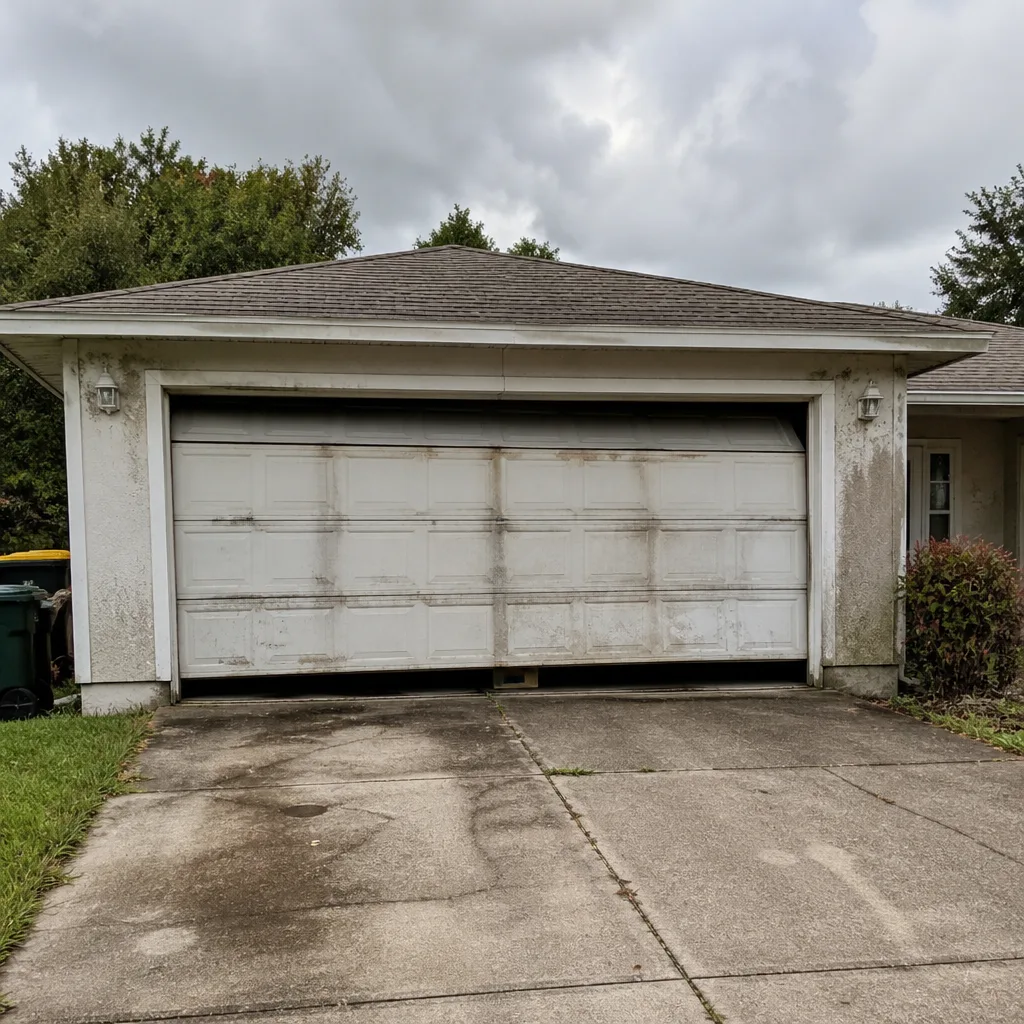 Before
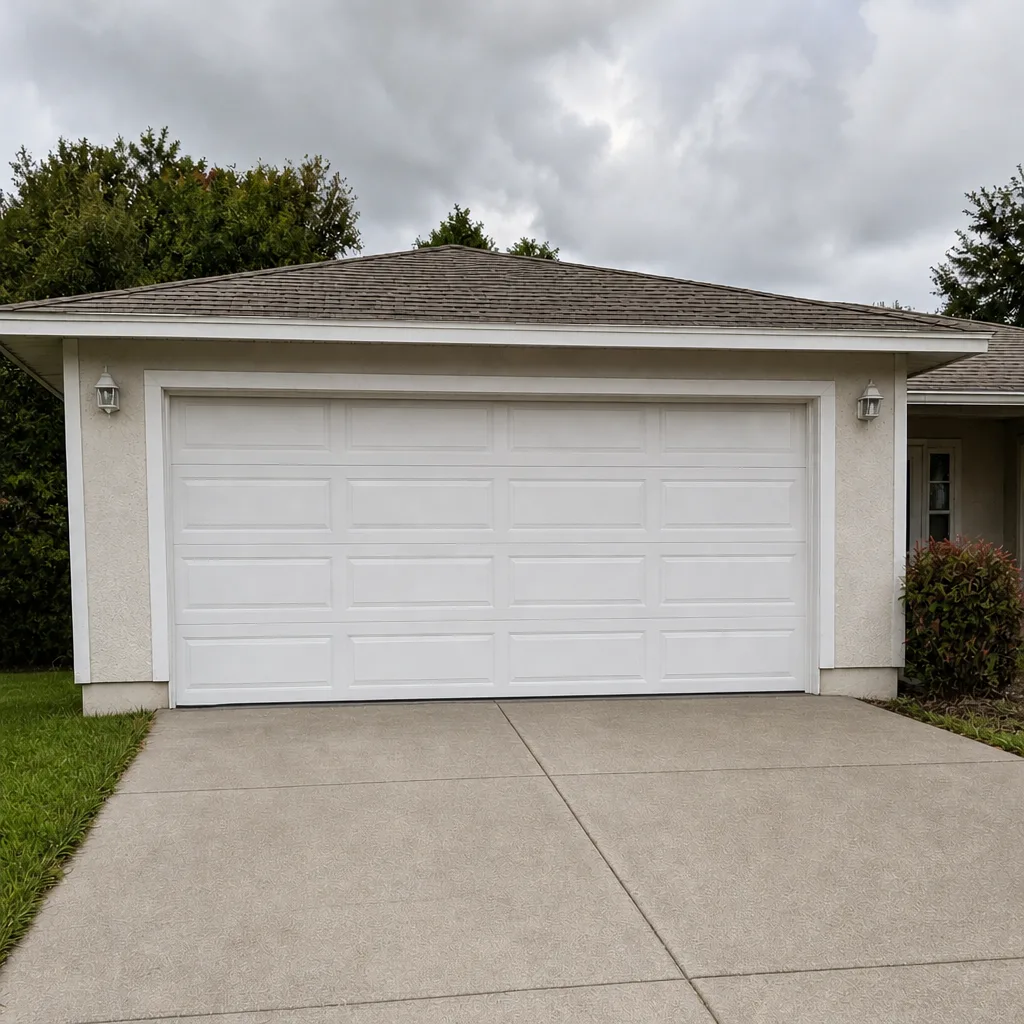 After
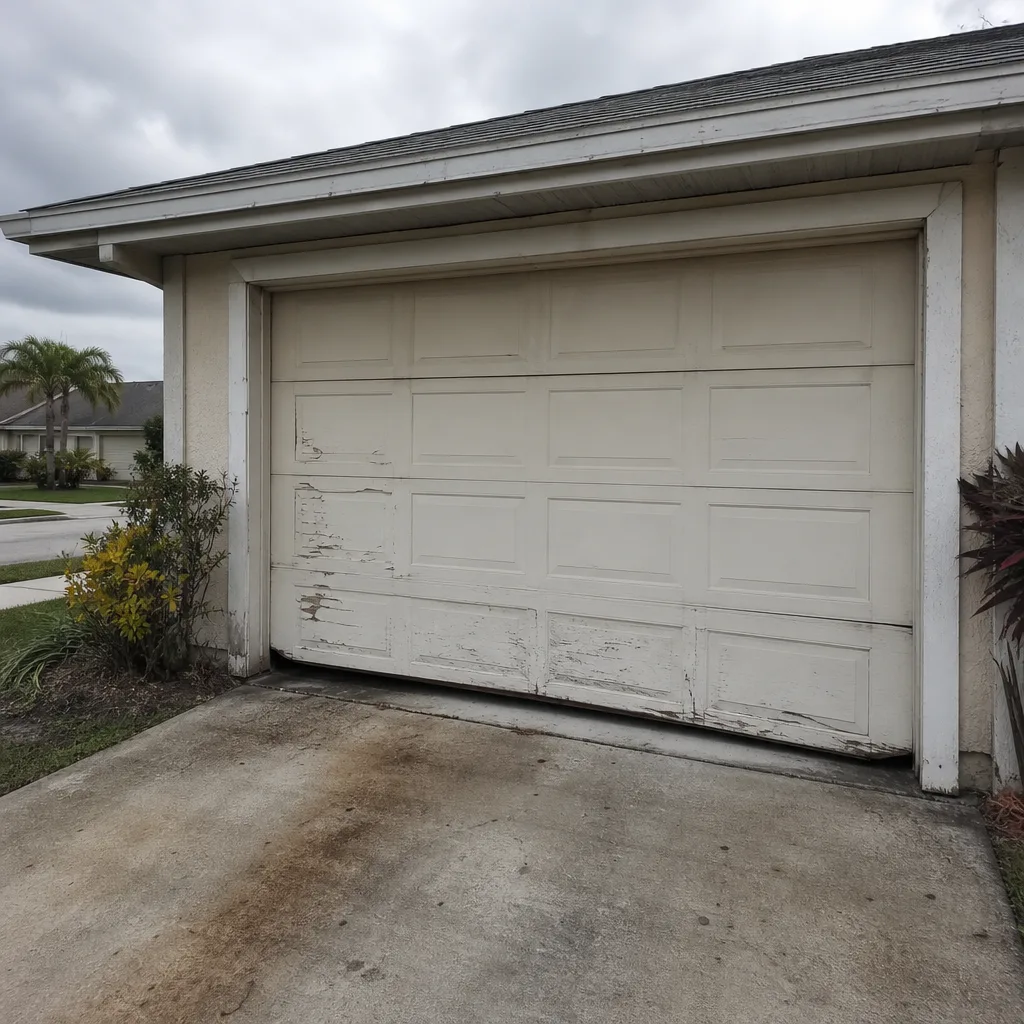 Before
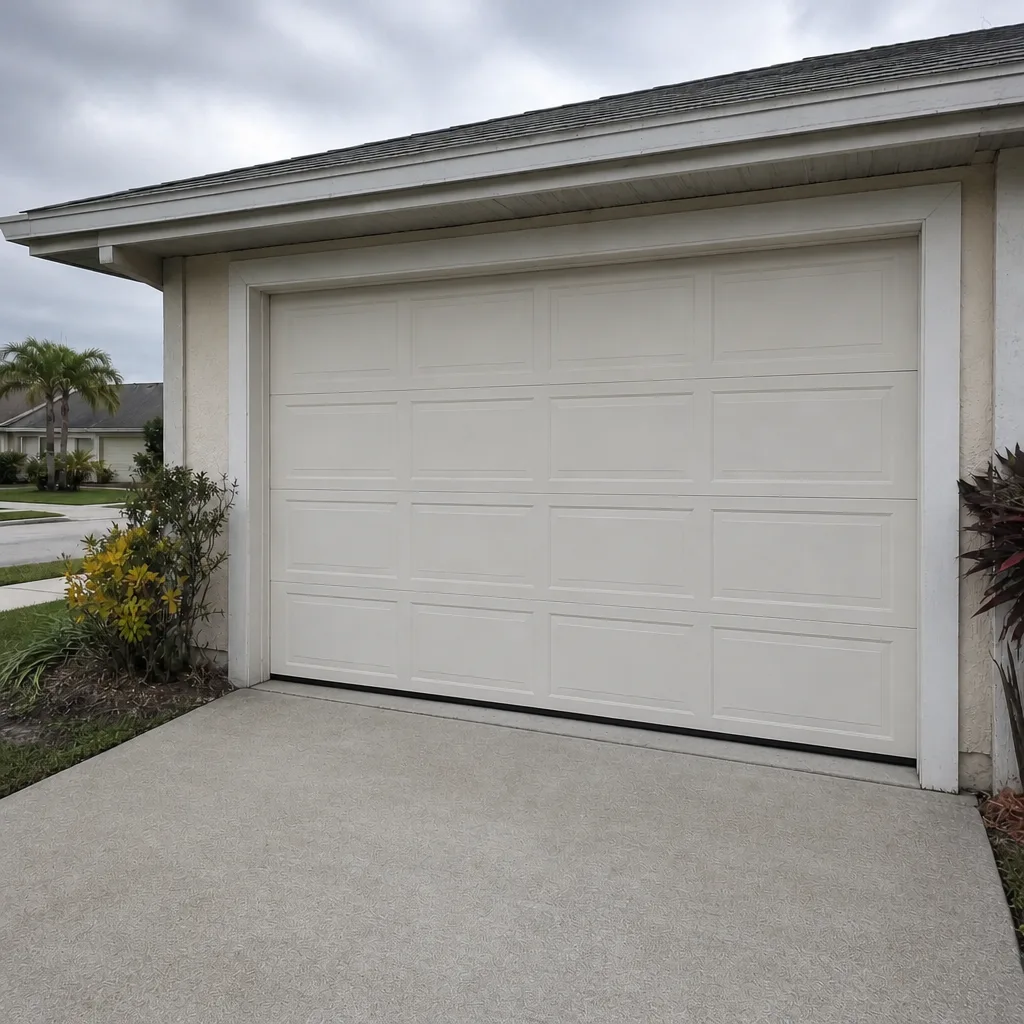 After
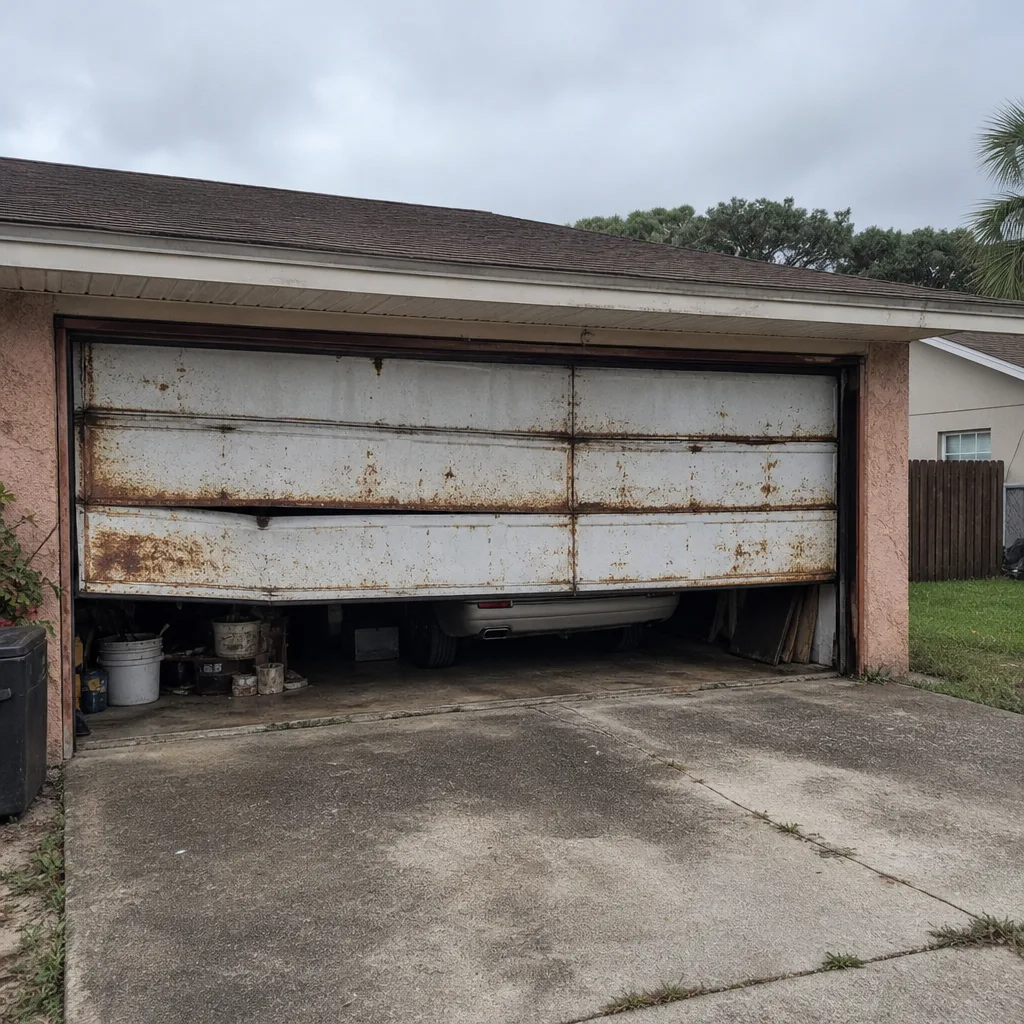 Before
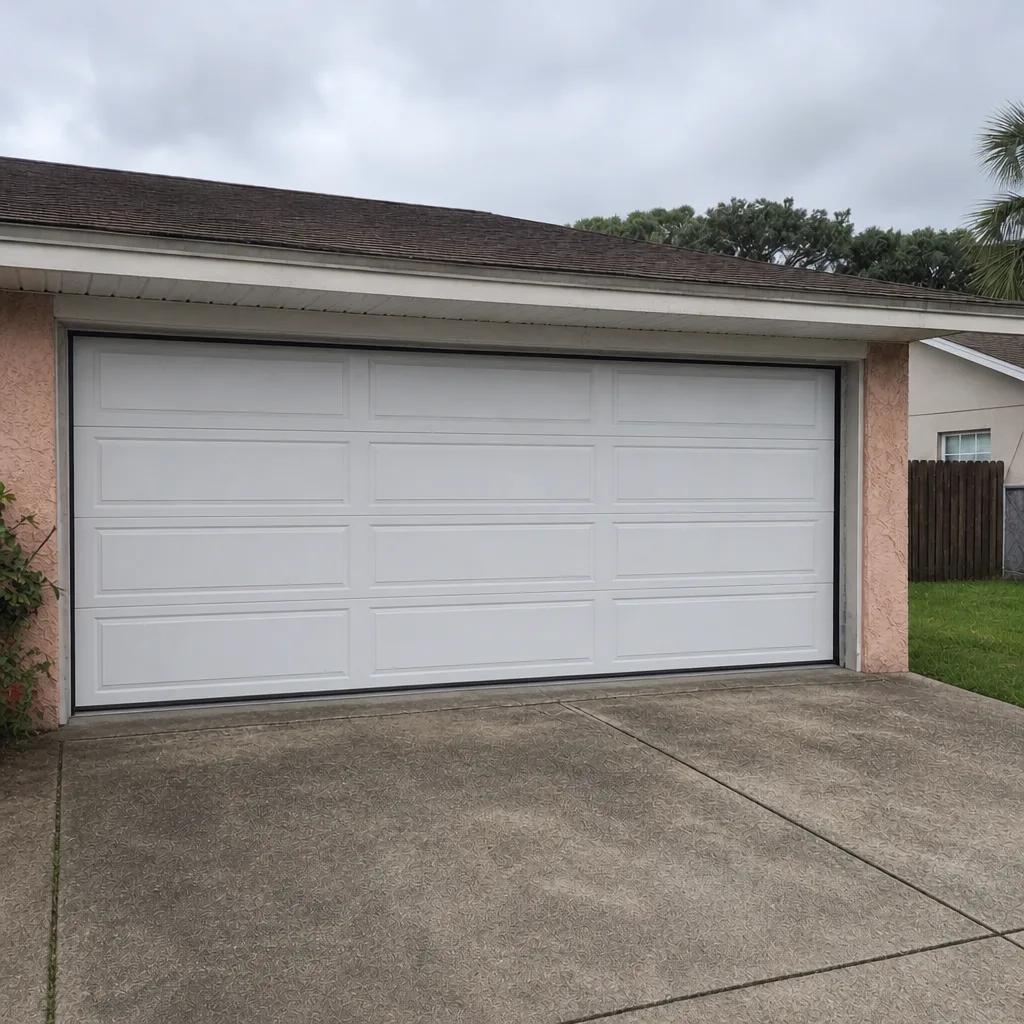 After
When to Call a Professional
Call a professional when a job involves a permit, a wind-load rating, or anything that could put you on the wrong side of the code. Full replacement, structural changes, hardware that affects the rated assembly, and retroactive permitting all belong in the hands of someone who does this regularly. The same is true for safety-critical work: garage door spring repair is not a homeowner job. Torsion springs are under heavy tension, and a mistake can cause serious injury, so we handle those with the right tools and training.
Palm Bay Garage Door Repair Pros offers free estimates in Palm Bay – call (833) 468-5770. We’re certified on eight major brands, we do both the door and the opener, and we’ll tell you when a repair is the smarter call instead of a full replacement. Our technicians have up to 12 years of experience, and every price is quoted and agreed before any work starts.
Frequently Asked Questions
Yes, a full garage door replacement in Palm Bay generally requires a building permit and a passed inspection, because the door is a structural, wind-load-rated component under the Florida Building Code, including Section 1609. Simple repairs and opener-only work usually do not need a permit. Confirm the specifics with the City of Palm Bay building department before work begins, and call us at (833) 468-5770 if you’d like a free estimate on a permitted replacement.
Usually no. Replacing or repairing the garage door opener, whether it’s a LiftMaster, Chamberlain, Genie, or another brand, typically does not require a building permit because it doesn’t change the structural door. The installer should still follow the manufacturer’s instructions and local electrical rules. If you’re unsure whether your job touches the door structure, call us at (833) 468-5770 for guidance.
An unpermitted garage door creates a record problem that can surface during a home sale, an insurance review, or a storm damage claim, because there’s no inspection confirming the installation meets wind-load code. The fix is usually a retroactive permit with documentation and an inspection. Call us at (833) 468-5770 – estimates are free and we can walk you through the options.
The inspection visit itself is usually short, but the total time from permit to sign-off depends on the building department’s schedule and how quickly the installation is completed. Plan for the sequence: pull the permit, complete the install, schedule the inspection, pass it, and close the permit. Call (833) 468-5770 for a free estimate and a clear timeline on your job.
Some jurisdictions allow owner-builder permits for work on your own home, but the rules and requirements vary, and the inspection still has to be passed. The safer path is to use a contractor who pulls the permit and manages the inspection. Ask the building department what applies to your situation, then call us at (833) 468-5770 for a free estimate.
No. We quote the job and agree the price with you before any work starts, so the written estimate is what you pay. If the scope changes after we inspect the opening or the door, we’ll explain the difference and get your agreement before proceeding. Call (833) 468-5770 for a free estimate.
The Bottom Line
In Palm Bay, a garage door is a rated structural component, and treating it like a simple swap is how homeowners end up with unpermitted work that complicates a sale or a claim. Full replacement and structural changes generally need a permit and an inspection under the Florida Building Code, with Section 1609 wind-load compliance driving the door and hardware choice. Simple repairs and opener-only work usually don’t. If you inherited an unpermitted door, retroactive permitting is possible and worth starting early. When the job is done right, with the permit pulled and the inspection passed, your garage door is both compliant and safe.
Call (833) 468-5770 for a free estimate. Palm Bay Garage Door Repair Pros handles the door, the opener, springs, and full installations, and we’ll tell you honestly whether a repair or a replacement makes more sense for your home.
Written by the team at Palm Bay Garage Door Repair Pros.